
Content Automation Best Practices with AI
Effective AI integration isn’t just about speed; it’s about smart automation. Follow these best practices:
- Define Clear Goals: What do you want AI to accomplish? More blog posts? Better SEO? Personalized emails? Clarity ensures effective deployment.
- Human Oversight is Non-Negotiable: AI is a tool, not a replacement. Always have human editors review, refine, and add unique insights to AI-generated content.
- Train Your AI: Many platforms let you feed your brand’s style guides, tone preferences, and existing high-performing content into the AI. This improves its output.
- Focus on High-Value Tasks: Automate repetitive, data-intensive tasks. Think initial drafts, meta descriptions, content repurposing. This frees your team for strategic and creative work.
- Measure and Adapt: Track how your AI-generated content performs. Use that data to refine your prompts, tools, and overall strategy.
Specific Use Cases: AI for Different Content Needs
Who benefits most from **AI-Driven Content Creation**? Everyone! From marketing agencies to individual creators. Let’s look at a couple of key examples.
AI for Startups: Accelerate Growth with Limited Resources
Startups often run with lean teams and tight budgets. AI becomes a force multiplier. You can:
- Rapidly Generate Marketing Materials: Create website copy, ad creative, email sequences, and initial blog posts without needing a huge content team.
- Test Marketing Angles Faster: Quickly produce variations of headlines and value propositions. See what truly resonates with your target audience.
- Establish Early SEO Presence: Use AI to target long-tail keywords. Create optimized content that helps you rank for specific queries, even with a brand-new domain.

AI for Creators: Boosting Productivity and Creativity
Individual creators—from bloggers to YouTubers—can use AI to bust through creative blocks and manage demanding content schedules:
- Brainstorm Video Scripts & Blog Post Ideas: Get endless ideas for your next piece of content.
- Generate Social Media Hooks & Captions: Craft engaging posts that drive traffic to your main content.
- Summarize Research & Transcribe Audio: Speed up the background work. This gives you more time for creative execution.
Ethical Considerations of AI Content Creation
AI offers immense power, but it also comes with responsibilities. Addressing the **ethical considerations of AI content creation** is vital for maintaining trust and authenticity.
Mitigating Algorithmic Biases
AI learns from data. If that data reflects existing human biases, guess what? The AI’s output will, too. This can lead to biased or stereotypical content. To avoid this, you must:
- Use Diverse Datasets: Advocate for and use AI models trained on broad, inclusive datasets.
- Implement Human Review: Always have human editors fact-check and review AI content for fairness and accuracy.
- Regularly Audit AI Output: Continuously monitor your AI’s generated content for any signs of bias. Adjust your prompts or models accordingly.
Transparency and Authenticity
Should you disclose when content is AI-generated? Many experts argue for transparency. Being upfront builds trust with your audience. While it’s not legally required in many cases yet, consider:
- Clear Labeling: Disclose when AI has played a significant role in content creation, maybe with a subtle disclaimer.
- Maintain Brand Voice: Ensure AI-generated content still reflects your authentic brand voice and values. Don’t let it sound generic.
- Address Copyright: Be aware of the evolving discussions around copyright for AI-generated works. Make sure your usage complies with platform terms.

Impact of AI on Content Quality & Authenticity
A common worry is whether AI will water down content quality or erode authenticity. The truth is, the **impact of AI on content quality and authenticity** depends entirely on *how* you use it. It’s all in your hands.
- Potential for Generic Content: Used without human oversight, AI *can* produce bland, unoriginal content. Your job is to inject personality, unique perspectives, and compelling storytelling.
- Boosting Quality by Freeing Humans: When AI handles the repetitive, lower-value tasks, your expert human team can spend more time. More time for deep research, strategic planning, creative brainstorming, and adding nuanced, authentic insights. That truly elevates the content.
- Data-Backed Authenticity: AI helps ensure authenticity by flagging factual inaccuracies or inconsistencies. It also helps you understand what truly resonates with your audience. This leads to content that feels more authentic because it’s genuinely helpful and relevant.

The Future of AI in Content Creation
What’s next for **AI-Driven Content Creation**? Expect even more sophisticated capabilities. The lines between human-made and AI-assisted content will blur even further. It’s an exciting time!
- Hyper-Personalization at Scale: AI will create unique content experiences for individuals in real-time. It’ll adapt not just topics, but tone and style to personal preferences.
- Multimodal Content Generation: AI won’t just write text. It will generate entire campaigns—video scripts, audio narration, interactive elements—all from a single prompt.
- Proactive Content Strategy: AI will anticipate market shifts. It’ll predict audience needs. It will proactively suggest content strategies even before trends fully emerge.
- Seamless Integration: AI content tools will become deeply embedded in existing marketing stacks. They’ll provide intelligent assistance across every platform and touchpoint.

Conclusion
**AI-Driven Content Creation** isn’t a luxury. It’s a strategic must-have for any business aiming for digital dominance. By integrating **AI content generation platforms** and smart **content automation best practices with AI**, you can achieve unparalleled efficiency. You’ll enhance content quality. And you’ll build powerful topical authority.
Embrace this revolution not as a replacement for human creativity, but as its most powerful amplifier. Let AI handle the routine. Your team can then focus on those unique insights, emotional resonance, and strategic direction that truly define your brand. The future of content is intelligent, personalized, and, with your guidance, incredibly impactful. Are you ready to lead the charge?
Frequently Asked Questions (FAQ)
What is AI-driven content creation?
**AI-driven content creation** means using artificial intelligence technologies. Things like machine learning and Natural Language Generation (NLG). They help or automate the various stages of generating content. This includes ideation, outlining, drafting, optimizing, and even distributing text, images, or other media.

How can AI be used for content creation?
AI can be used in so many ways for content creation! It generates topic ideas and detailed outlines. It drafts initial article or blog post versions. It creates marketing copy – ads, social media posts, product descriptions. AI performs SEO optimization, giving keyword suggestions and readability checks. It personalizes content for specific audiences. It even translates content for global reach. Basically, it streamlines repetitive tasks. This frees human creators to focus on strategy and refinement.
What are the benefits of AI in content creation?
The benefits are huge! You get accelerated content production, allowing for greater volume and consistency. There’s enhanced content quality and better adherence to your brand voice. Superior personalization capabilities lead to higher engagement. And there’s significant cost efficiency through reduced manual effort. AI also boosts creative potential. It offers new perspectives and frees up human talent for higher-level strategic work.
What are some examples of AI content creation tools?
Popular AI content creation tools include Jasper AI, Copy.ai, and Writesonic for text generation. Surfer SEO is fantastic for content optimization. Foundational models like OpenAI’s ChatGPT/GPT-4 are also widely used for various content tasks. For visual content, tools like Midjourney and DALL-E 3 are leading the way. Each offers unique features for different content needs.
How can startups and creators use AI in their content strategy?
Startups can use AI to quickly generate diverse marketing materials. They can test various messaging angles. And they can rapidly establish an SEO presence, even with limited resources. Creators can use AI to overcome writer’s block. Brainstorm endless ideas. Automate social media captions. Summarize research. It streamlines administrative tasks. This gives them more time to focus on their core creative output and audience engagement.
Source Links
- https://aicontentfy.com/en/blog/unlocking-potential-of-ai-content-creation-how-it-changes-game
- https://www.toolify.ai/ai-news/unlocking-ais-potential-in-marketing-and-content-creation-391447
- https://www.techfunaim.com/information-technology/unleashing-the-creative-potential-of-generative-ai/
- Comprehensive Content Mapping: AI helps identify all related sub-topics and questions around your core keyword. You can then create a content cluster that covers every angle.
- Deep Content Generation: Use AI to quickly produce high-quality articles for each sub-topic. No stone left unturned! This density of relevant content signals to search engines that you’re a definitive source.
- Internal Linking Optimization: AI suggests smart internal linking structures. Connect your cluster content. Reinforce topical relevance across your site.
- Staying Updated: AI constantly monitors trends. This lets you quickly update existing content or create new pieces that address emerging facets of a topic, keeping your authority fresh.
Content Automation Best Practices with AI
Effective AI integration isn’t just about speed; it’s about smart automation. Follow these best practices:
- Define Clear Goals: What do you want AI to accomplish? More blog posts? Better SEO? Personalized emails? Clarity ensures effective deployment.
- Human Oversight is Non-Negotiable: AI is a tool, not a replacement. Always have human editors review, refine, and add unique insights to AI-generated content.
- Train Your AI: Many platforms let you feed your brand’s style guides, tone preferences, and existing high-performing content into the AI. This improves its output.
- Focus on High-Value Tasks: Automate repetitive, data-intensive tasks. Think initial drafts, meta descriptions, content repurposing. This frees your team for strategic and creative work.
- Measure and Adapt: Track how your AI-generated content performs. Use that data to refine your prompts, tools, and overall strategy.
Specific Use Cases: AI for Different Content Needs
Who benefits most from **AI-Driven Content Creation**? Everyone! From marketing agencies to individual creators. Let’s look at a couple of key examples.
AI for Startups: Accelerate Growth with Limited Resources
Startups often run with lean teams and tight budgets. AI becomes a force multiplier. You can:
- Rapidly Generate Marketing Materials: Create website copy, ad creative, email sequences, and initial blog posts without needing a huge content team.
- Test Marketing Angles Faster: Quickly produce variations of headlines and value propositions. See what truly resonates with your target audience.
- Establish Early SEO Presence: Use AI to target long-tail keywords. Create optimized content that helps you rank for specific queries, even with a brand-new domain.
AI for Creators: Boosting Productivity and Creativity
Individual creators—from bloggers to YouTubers—can use AI to bust through creative blocks and manage demanding content schedules:
- Brainstorm Video Scripts & Blog Post Ideas: Get endless ideas for your next piece of content.
- Generate Social Media Hooks & Captions: Craft engaging posts that drive traffic to your main content.
- Summarize Research & Transcribe Audio: Speed up the background work. This gives you more time for creative execution.
Ethical Considerations of AI Content Creation
AI offers immense power, but it also comes with responsibilities. Addressing the **ethical considerations of AI content creation** is vital for maintaining trust and authenticity.
Mitigating Algorithmic Biases
AI learns from data. If that data reflects existing human biases, guess what? The AI’s output will, too. This can lead to biased or stereotypical content. To avoid this, you must:
- Use Diverse Datasets: Advocate for and use AI models trained on broad, inclusive datasets.
- Implement Human Review: Always have human editors fact-check and review AI content for fairness and accuracy.
- Regularly Audit AI Output: Continuously monitor your AI’s generated content for any signs of bias. Adjust your prompts or models accordingly.
Transparency and Authenticity
Should you disclose when content is AI-generated? Many experts argue for transparency. Being upfront builds trust with your audience. While it’s not legally required in many cases yet, consider:
- Clear Labeling: Disclose when AI has played a significant role in content creation, maybe with a subtle disclaimer.
- Maintain Brand Voice: Ensure AI-generated content still reflects your authentic brand voice and values. Don’t let it sound generic.
- Address Copyright: Be aware of the evolving discussions around copyright for AI-generated works. Make sure your usage complies with platform terms.
Impact of AI on Content Quality & Authenticity
A common worry is whether AI will water down content quality or erode authenticity. The truth is, the **impact of AI on content quality and authenticity** depends entirely on *how* you use it. It’s all in your hands.
- Potential for Generic Content: Used without human oversight, AI *can* produce bland, unoriginal content. Your job is to inject personality, unique perspectives, and compelling storytelling.
- Boosting Quality by Freeing Humans: When AI handles the repetitive, lower-value tasks, your expert human team can spend more time. More time for deep research, strategic planning, creative brainstorming, and adding nuanced, authentic insights. That truly elevates the content.
- Data-Backed Authenticity: AI helps ensure authenticity by flagging factual inaccuracies or inconsistencies. It also helps you understand what truly resonates with your audience. This leads to content that feels more authentic because it’s genuinely helpful and relevant.
The Future of AI in Content Creation
What’s next for **AI-Driven Content Creation**? Expect even more sophisticated capabilities. The lines between human-made and AI-assisted content will blur even further. It’s an exciting time!
- Hyper-Personalization at Scale: AI will create unique content experiences for individuals in real-time. It’ll adapt not just topics, but tone and style to personal preferences.
- Multimodal Content Generation: AI won’t just write text. It will generate entire campaigns—video scripts, audio narration, interactive elements—all from a single prompt.
- Proactive Content Strategy: AI will anticipate market shifts. It’ll predict audience needs. It will proactively suggest content strategies even before trends fully emerge.
- Seamless Integration: AI content tools will become deeply embedded in existing marketing stacks. They’ll provide intelligent assistance across every platform and touchpoint.
Conclusion
**AI-Driven Content Creation** isn’t a luxury. It’s a strategic must-have for any business aiming for digital dominance. By integrating **AI content generation platforms** and smart **content automation best practices with AI**, you can achieve unparalleled efficiency. You’ll enhance content quality. And you’ll build powerful topical authority.
Embrace this revolution not as a replacement for human creativity, but as its most powerful amplifier. Let AI handle the routine. Your team can then focus on those unique insights, emotional resonance, and strategic direction that truly define your brand. The future of content is intelligent, personalized, and, with your guidance, incredibly impactful. Are you ready to lead the charge?
Frequently Asked Questions (FAQ)
What is AI-driven content creation?
**AI-driven content creation** means using artificial intelligence technologies. Things like machine learning and Natural Language Generation (NLG). They help or automate the various stages of generating content. This includes ideation, outlining, drafting, optimizing, and even distributing text, images, or other media.
How can AI be used for content creation?
AI can be used in so many ways for content creation! It generates topic ideas and detailed outlines. It drafts initial article or blog post versions. It creates marketing copy – ads, social media posts, product descriptions. AI performs SEO optimization, giving keyword suggestions and readability checks. It personalizes content for specific audiences. It even translates content for global reach. Basically, it streamlines repetitive tasks. This frees human creators to focus on strategy and refinement.
What are the benefits of AI in content creation?
The benefits are huge! You get accelerated content production, allowing for greater volume and consistency. There’s enhanced content quality and better adherence to your brand voice. Superior personalization capabilities lead to higher engagement. And there’s significant cost efficiency through reduced manual effort. AI also boosts creative potential. It offers new perspectives and frees up human talent for higher-level strategic work.
What are some examples of AI content creation tools?
Popular AI content creation tools include Jasper AI, Copy.ai, and Writesonic for text generation. Surfer SEO is fantastic for content optimization. Foundational models like OpenAI’s ChatGPT/GPT-4 are also widely used for various content tasks. For visual content, tools like Midjourney and DALL-E 3 are leading the way. Each offers unique features for different content needs.
How can startups and creators use AI in their content strategy?
Startups can use AI to quickly generate diverse marketing materials. They can test various messaging angles. And they can rapidly establish an SEO presence, even with limited resources. Creators can use AI to overcome writer’s block. Brainstorm endless ideas. Automate social media captions. Summarize research. It streamlines administrative tasks. This gives them more time to focus on their core creative output and audience engagement.
Source Links
- https://aicontentfy.com/en/blog/unlocking-potential-of-ai-content-creation-how-it-changes-game
- https://www.toolify.ai/ai-news/unlocking-ais-potential-in-marketing-and-content-creation-391447
- https://www.techfunaim.com/information-technology/unleashing-the-creative-potential-of-generative-ai/
- Brainstorm Video Scripts & Blog Post Ideas: Get endless ideas for your next piece of content.
- Generate Social Media Hooks & Captions: Craft engaging posts that drive traffic to your main content.
- Summarize Research & Transcribe Audio: Speed up the background work. This gives you more time for creative execution.
Ethical Considerations of AI Content Creation
AI offers immense power, but it also comes with responsibilities. Addressing the **ethical considerations of AI content creation** is vital for maintaining trust and authenticity.
Mitigating Algorithmic Biases
AI learns from data. If that data reflects existing human biases, guess what? The AI’s output will, too. This can lead to biased or stereotypical content. To avoid this, you must:
- Use Diverse Datasets: Advocate for and use AI models trained on broad, inclusive datasets.
- Implement Human Review: Always have human editors fact-check and review AI content for fairness and accuracy.
- Regularly Audit AI Output: Continuously monitor your AI’s generated content for any signs of bias. Adjust your prompts or models accordingly.
Transparency and Authenticity
Should you disclose when content is AI-generated? Many experts argue for transparency. Being upfront builds trust with your audience. While it’s not legally required in many cases yet, consider:
- Clear Labeling: Disclose when AI has played a significant role in content creation, maybe with a subtle disclaimer.
- Maintain Brand Voice: Ensure AI-generated content still reflects your authentic brand voice and values. Don’t let it sound generic.
- Address Copyright: Be aware of the evolving discussions around copyright for AI-generated works. Make sure your usage complies with platform terms.
Impact of AI on Content Quality & Authenticity
A common worry is whether AI will water down content quality or erode authenticity. The truth is, the **impact of AI on content quality and authenticity** depends entirely on *how* you use it. It’s all in your hands.
- Potential for Generic Content: Used without human oversight, AI *can* produce bland, unoriginal content. Your job is to inject personality, unique perspectives, and compelling storytelling.
- Boosting Quality by Freeing Humans: When AI handles the repetitive, lower-value tasks, your expert human team can spend more time. More time for deep research, strategic planning, creative brainstorming, and adding nuanced, authentic insights. That truly elevates the content.
- Data-Backed Authenticity: AI helps ensure authenticity by flagging factual inaccuracies or inconsistencies. It also helps you understand what truly resonates with your audience. This leads to content that feels more authentic because it’s genuinely helpful and relevant.
The Future of AI in Content Creation
What’s next for **AI-Driven Content Creation**? Expect even more sophisticated capabilities. The lines between human-made and AI-assisted content will blur even further. It’s an exciting time!
- Hyper-Personalization at Scale: AI will create unique content experiences for individuals in real-time. It’ll adapt not just topics, but tone and style to personal preferences.
- Multimodal Content Generation: AI won’t just write text. It will generate entire campaigns—video scripts, audio narration, interactive elements—all from a single prompt.
- Proactive Content Strategy: AI will anticipate market shifts. It’ll predict audience needs. It will proactively suggest content strategies even before trends fully emerge.
- Seamless Integration: AI content tools will become deeply embedded in existing marketing stacks. They’ll provide intelligent assistance across every platform and touchpoint.
Conclusion
**AI-Driven Content Creation** isn’t a luxury. It’s a strategic must-have for any business aiming for digital dominance. By integrating **AI content generation platforms** and smart **content automation best practices with AI**, you can achieve unparalleled efficiency. You’ll enhance content quality. And you’ll build powerful topical authority.
Embrace this revolution not as a replacement for human creativity, but as its most powerful amplifier. Let AI handle the routine. Your team can then focus on those unique insights, emotional resonance, and strategic direction that truly define your brand. The future of content is intelligent, personalized, and, with your guidance, incredibly impactful. Are you ready to lead the charge?
Frequently Asked Questions (FAQ)
What is AI-driven content creation?
**AI-driven content creation** means using artificial intelligence technologies. Things like machine learning and Natural Language Generation (NLG). They help or automate the various stages of generating content. This includes ideation, outlining, drafting, optimizing, and even distributing text, images, or other media.
How can AI be used for content creation?
AI can be used in so many ways for content creation! It generates topic ideas and detailed outlines. It drafts initial article or blog post versions. It creates marketing copy – ads, social media posts, product descriptions. AI performs SEO optimization, giving keyword suggestions and readability checks. It personalizes content for specific audiences. It even translates content for global reach. Basically, it streamlines repetitive tasks. This frees human creators to focus on strategy and refinement.
What are the benefits of AI in content creation?
The benefits are huge! You get accelerated content production, allowing for greater volume and consistency. There’s enhanced content quality and better adherence to your brand voice. Superior personalization capabilities lead to higher engagement. And there’s significant cost efficiency through reduced manual effort. AI also boosts creative potential. It offers new perspectives and frees up human talent for higher-level strategic work.
What are some examples of AI content creation tools?
Popular AI content creation tools include Jasper AI, Copy.ai, and Writesonic for text generation. Surfer SEO is fantastic for content optimization. Foundational models like OpenAI’s ChatGPT/GPT-4 are also widely used for various content tasks. For visual content, tools like Midjourney and DALL-E 3 are leading the way. Each offers unique features for different content needs.
How can startups and creators use AI in their content strategy?
Startups can use AI to quickly generate diverse marketing materials. They can test various messaging angles. And they can rapidly establish an SEO presence, even with limited resources. Creators can use AI to overcome writer’s block. Brainstorm endless ideas. Automate social media captions. Summarize research. It streamlines administrative tasks. This gives them more time to focus on their core creative output and audience engagement.
Source Links
- https://aicontentfy.com/en/blog/unlocking-potential-of-ai-content-creation-how-it-changes-game
- https://www.toolify.ai/ai-news/unlocking-ais-potential-in-marketing-and-content-creation-391447
- https://www.techfunaim.com/information-technology/unleashing-the-creative-potential-of-generative-ai/
- Comprehensive Content Mapping: AI helps identify all related sub-topics and questions around your core keyword. You can then create a content cluster that covers every angle.
- Deep Content Generation: Use AI to quickly produce high-quality articles for each sub-topic. No stone left unturned! This density of relevant content signals to search engines that you’re a definitive source.
- Internal Linking Optimization: AI suggests smart internal linking structures. Connect your cluster content. Reinforce topical relevance across your site.
- Staying Updated: AI constantly monitors trends. This lets you quickly update existing content or create new pieces that address emerging facets of a topic, keeping your authority fresh.
Content Automation Best Practices with AI
Effective AI integration isn’t just about speed; it’s about smart automation. Follow these best practices:
- Define Clear Goals: What do you want AI to accomplish? More blog posts? Better SEO? Personalized emails? Clarity ensures effective deployment.
- Human Oversight is Non-Negotiable: AI is a tool, not a replacement. Always have human editors review, refine, and add unique insights to AI-generated content.
- Train Your AI: Many platforms let you feed your brand’s style guides, tone preferences, and existing high-performing content into the AI. This improves its output.
- Focus on High-Value Tasks: Automate repetitive, data-intensive tasks. Think initial drafts, meta descriptions, content repurposing. This frees your team for strategic and creative work.
- Measure and Adapt: Track how your AI-generated content performs. Use that data to refine your prompts, tools, and overall strategy.
Specific Use Cases: AI for Different Content Needs
Who benefits most from **AI-Driven Content Creation**? Everyone! From marketing agencies to individual creators. Let’s look at a couple of key examples.
AI for Startups: Accelerate Growth with Limited Resources
Startups often run with lean teams and tight budgets. AI becomes a force multiplier. You can:
- Rapidly Generate Marketing Materials: Create website copy, ad creative, email sequences, and initial blog posts without needing a huge content team.
- Test Marketing Angles Faster: Quickly produce variations of headlines and value propositions. See what truly resonates with your target audience.
- Establish Early SEO Presence: Use AI to target long-tail keywords. Create optimized content that helps you rank for specific queries, even with a brand-new domain.
AI for Creators: Boosting Productivity and Creativity
Individual creators—from bloggers to YouTubers—can use AI to bust through creative blocks and manage demanding content schedules:
- Brainstorm Video Scripts & Blog Post Ideas: Get endless ideas for your next piece of content.
- Generate Social Media Hooks & Captions: Craft engaging posts that drive traffic to your main content.
- Summarize Research & Transcribe Audio: Speed up the background work. This gives you more time for creative execution.
Ethical Considerations of AI Content Creation
AI offers immense power, but it also comes with responsibilities. Addressing the **ethical considerations of AI content creation** is vital for maintaining trust and authenticity.
Mitigating Algorithmic Biases
AI learns from data. If that data reflects existing human biases, guess what? The AI’s output will, too. This can lead to biased or stereotypical content. To avoid this, you must:
- Use Diverse Datasets: Advocate for and use AI models trained on broad, inclusive datasets.
- Implement Human Review: Always have human editors fact-check and review AI content for fairness and accuracy.
- Regularly Audit AI Output: Continuously monitor your AI’s generated content for any signs of bias. Adjust your prompts or models accordingly.
Transparency and Authenticity
Should you disclose when content is AI-generated? Many experts argue for transparency. Being upfront builds trust with your audience. While it’s not legally required in many cases yet, consider:
- Clear Labeling: Disclose when AI has played a significant role in content creation, maybe with a subtle disclaimer.
- Maintain Brand Voice: Ensure AI-generated content still reflects your authentic brand voice and values. Don’t let it sound generic.
- Address Copyright: Be aware of the evolving discussions around copyright for AI-generated works. Make sure your usage complies with platform terms.
Impact of AI on Content Quality & Authenticity
A common worry is whether AI will water down content quality or erode authenticity. The truth is, the **impact of AI on content quality and authenticity** depends entirely on *how* you use it. It’s all in your hands.
- Potential for Generic Content: Used without human oversight, AI *can* produce bland, unoriginal content. Your job is to inject personality, unique perspectives, and compelling storytelling.
- Boosting Quality by Freeing Humans: When AI handles the repetitive, lower-value tasks, your expert human team can spend more time. More time for deep research, strategic planning, creative brainstorming, and adding nuanced, authentic insights. That truly elevates the content.
- Data-Backed Authenticity: AI helps ensure authenticity by flagging factual inaccuracies or inconsistencies. It also helps you understand what truly resonates with your audience. This leads to content that feels more authentic because it’s genuinely helpful and relevant.
The Future of AI in Content Creation
What’s next for **AI-Driven Content Creation**? Expect even more sophisticated capabilities. The lines between human-made and AI-assisted content will blur even further. It’s an exciting time!
- Hyper-Personalization at Scale: AI will create unique content experiences for individuals in real-time. It’ll adapt not just topics, but tone and style to personal preferences.
- Multimodal Content Generation: AI won’t just write text. It will generate entire campaigns—video scripts, audio narration, interactive elements—all from a single prompt.
- Proactive Content Strategy: AI will anticipate market shifts. It’ll predict audience needs. It will proactively suggest content strategies even before trends fully emerge.
- Seamless Integration: AI content tools will become deeply embedded in existing marketing stacks. They’ll provide intelligent assistance across every platform and touchpoint.
Conclusion
**AI-Driven Content Creation** isn’t a luxury. It’s a strategic must-have for any business aiming for digital dominance. By integrating **AI content generation platforms** and smart **content automation best practices with AI**, you can achieve unparalleled efficiency. You’ll enhance content quality. And you’ll build powerful topical authority.
Embrace this revolution not as a replacement for human creativity, but as its most powerful amplifier. Let AI handle the routine. Your team can then focus on those unique insights, emotional resonance, and strategic direction that truly define your brand. The future of content is intelligent, personalized, and, with your guidance, incredibly impactful. Are you ready to lead the charge?
Frequently Asked Questions (FAQ)
What is AI-driven content creation?
**AI-driven content creation** means using artificial intelligence technologies. Things like machine learning and Natural Language Generation (NLG). They help or automate the various stages of generating content. This includes ideation, outlining, drafting, optimizing, and even distributing text, images, or other media.
How can AI be used for content creation?
AI can be used in so many ways for content creation! It generates topic ideas and detailed outlines. It drafts initial article or blog post versions. It creates marketing copy – ads, social media posts, product descriptions. AI performs SEO optimization, giving keyword suggestions and readability checks. It personalizes content for specific audiences. It even translates content for global reach. Basically, it streamlines repetitive tasks. This frees human creators to focus on strategy and refinement.
What are the benefits of AI in content creation?
The benefits are huge! You get accelerated content production, allowing for greater volume and consistency. There’s enhanced content quality and better adherence to your brand voice. Superior personalization capabilities lead to higher engagement. And there’s significant cost efficiency through reduced manual effort. AI also boosts creative potential. It offers new perspectives and frees up human talent for higher-level strategic work.
What are some examples of AI content creation tools?
Popular AI content creation tools include Jasper AI, Copy.ai, and Writesonic for text generation. Surfer SEO is fantastic for content optimization. Foundational models like OpenAI’s ChatGPT/GPT-4 are also widely used for various content tasks. For visual content, tools like Midjourney and DALL-E 3 are leading the way. Each offers unique features for different content needs.
How can startups and creators use AI in their content strategy?
Startups can use AI to quickly generate diverse marketing materials. They can test various messaging angles. And they can rapidly establish an SEO presence, even with limited resources. Creators can use AI to overcome writer’s block. Brainstorm endless ideas. Automate social media captions. Summarize research. It streamlines administrative tasks. This gives them more time to focus on their core creative output and audience engagement.
Source Links
- https://aicontentfy.com/en/blog/unlocking-potential-of-ai-content-creation-how-it-changes-game
- https://www.toolify.ai/ai-news/unlocking-ais-potential-in-marketing-and-content-creation-391447
- https://www.techfunaim.com/information-technology/unleashing-the-creative-potential-of-generative-ai/
Content Automation Best Practices with AI
Effective AI integration isn’t just about speed; it’s about smart automation. Follow these best practices:
- Define Clear Goals: What do you want AI to accomplish? More blog posts? Better SEO? Personalized emails? Clarity ensures effective deployment.
- Human Oversight is Non-Negotiable: AI is a tool, not a replacement. Always have human editors review, refine, and add unique insights to AI-generated content.
- Train Your AI: Many platforms let you feed your brand’s style guides, tone preferences, and existing high-performing content into the AI. This improves its output.
- Focus on High-Value Tasks: Automate repetitive, data-intensive tasks. Think initial drafts, meta descriptions, content repurposing. This frees your team for strategic and creative work.
- Measure and Adapt: Track how your AI-generated content performs. Use that data to refine your prompts, tools, and overall strategy.
Specific Use Cases: AI for Different Content Needs
Who benefits most from **AI-Driven Content Creation**? Everyone! From marketing agencies to individual creators. Let’s look at a couple of key examples.
AI for Startups: Accelerate Growth with Limited Resources
Startups often run with lean teams and tight budgets. AI becomes a force multiplier. You can:
- Rapidly Generate Marketing Materials: Create website copy, ad creative, email sequences, and initial blog posts without needing a huge content team.
- Test Marketing Angles Faster: Quickly produce variations of headlines and value propositions. See what truly resonates with your target audience.
- Establish Early SEO Presence: Use AI to target long-tail keywords. Create optimized content that helps you rank for specific queries, even with a brand-new domain.
AI for Creators: Boosting Productivity and Creativity
Individual creators—from bloggers to YouTubers—can use AI to bust through creative blocks and manage demanding content schedules:
- Brainstorm Video Scripts & Blog Post Ideas: Get endless ideas for your next piece of content.
- Generate Social Media Hooks & Captions: Craft engaging posts that drive traffic to your main content.
- Summarize Research & Transcribe Audio: Speed up the background work. This gives you more time for creative execution.
Ethical Considerations of AI Content Creation
AI offers immense power, but it also comes with responsibilities. Addressing the **ethical considerations of AI content creation** is vital for maintaining trust and authenticity.
Mitigating Algorithmic Biases
AI learns from data. If that data reflects existing human biases, guess what? The AI’s output will, too. This can lead to biased or stereotypical content. To avoid this, you must:
- Use Diverse Datasets: Advocate for and use AI models trained on broad, inclusive datasets.
- Implement Human Review: Always have human editors fact-check and review AI content for fairness and accuracy.
- Regularly Audit AI Output: Continuously monitor your AI’s generated content for any signs of bias. Adjust your prompts or models accordingly.
Transparency and Authenticity
Should you disclose when content is AI-generated? Many experts argue for transparency. Being upfront builds trust with your audience. While it’s not legally required in many cases yet, consider:
- Clear Labeling: Disclose when AI has played a significant role in content creation, maybe with a subtle disclaimer.
- Maintain Brand Voice: Ensure AI-generated content still reflects your authentic brand voice and values. Don’t let it sound generic.
- Address Copyright: Be aware of the evolving discussions around copyright for AI-generated works. Make sure your usage complies with platform terms.
Impact of AI on Content Quality & Authenticity
A common worry is whether AI will water down content quality or erode authenticity. The truth is, the **impact of AI on content quality and authenticity** depends entirely on *how* you use it. It’s all in your hands.
- Potential for Generic Content: Used without human oversight, AI *can* produce bland, unoriginal content. Your job is to inject personality, unique perspectives, and compelling storytelling.
- Boosting Quality by Freeing Humans: When AI handles the repetitive, lower-value tasks, your expert human team can spend more time. More time for deep research, strategic planning, creative brainstorming, and adding nuanced, authentic insights. That truly elevates the content.
- Data-Backed Authenticity: AI helps ensure authenticity by flagging factual inaccuracies or inconsistencies. It also helps you understand what truly resonates with your audience. This leads to content that feels more authentic because it’s genuinely helpful and relevant.
The Future of AI in Content Creation
What’s next for **AI-Driven Content Creation**? Expect even more sophisticated capabilities. The lines between human-made and AI-assisted content will blur even further. It’s an exciting time!
- Hyper-Personalization at Scale: AI will create unique content experiences for individuals in real-time. It’ll adapt not just topics, but tone and style to personal preferences.
- Multimodal Content Generation: AI won’t just write text. It will generate entire campaigns—video scripts, audio narration, interactive elements—all from a single prompt.
- Proactive Content Strategy: AI will anticipate market shifts. It’ll predict audience needs. It will proactively suggest content strategies even before trends fully emerge.
- Seamless Integration: AI content tools will become deeply embedded in existing marketing stacks. They’ll provide intelligent assistance across every platform and touchpoint.
Conclusion
**AI-Driven Content Creation** isn’t a luxury. It’s a strategic must-have for any business aiming for digital dominance. By integrating **AI content generation platforms** and smart **content automation best practices with AI**, you can achieve unparalleled efficiency. You’ll enhance content quality. And you’ll build powerful topical authority.
Embrace this revolution not as a replacement for human creativity, but as its most powerful amplifier. Let AI handle the routine. Your team can then focus on those unique insights, emotional resonance, and strategic direction that truly define your brand. The future of content is intelligent, personalized, and, with your guidance, incredibly impactful. Are you ready to lead the charge?
Frequently Asked Questions (FAQ)
What is AI-driven content creation?
**AI-driven content creation** means using artificial intelligence technologies. Things like machine learning and Natural Language Generation (NLG). They help or automate the various stages of generating content. This includes ideation, outlining, drafting, optimizing, and even distributing text, images, or other media.
How can AI be used for content creation?
AI can be used in so many ways for content creation! It generates topic ideas and detailed outlines. It drafts initial article or blog post versions. It creates marketing copy – ads, social media posts, product descriptions. AI performs SEO optimization, giving keyword suggestions and readability checks. It personalizes content for specific audiences. It even translates content for global reach. Basically, it streamlines repetitive tasks. This frees human creators to focus on strategy and refinement.
What are the benefits of AI in content creation?
The benefits are huge! You get accelerated content production, allowing for greater volume and consistency. There’s enhanced content quality and better adherence to your brand voice. Superior personalization capabilities lead to higher engagement. And there’s significant cost efficiency through reduced manual effort. AI also boosts creative potential. It offers new perspectives and frees up human talent for higher-level strategic work.
What are some examples of AI content creation tools?
Popular AI content creation tools include Jasper AI, Copy.ai, and Writesonic for text generation. Surfer SEO is fantastic for content optimization. Foundational models like OpenAI’s ChatGPT/GPT-4 are also widely used for various content tasks. For visual content, tools like Midjourney and DALL-E 3 are leading the way. Each offers unique features for different content needs.
How can startups and creators use AI in their content strategy?
Startups can use AI to quickly generate diverse marketing materials. They can test various messaging angles. And they can rapidly establish an SEO presence, even with limited resources. Creators can use AI to overcome writer’s block. Brainstorm endless ideas. Automate social media captions. Summarize research. It streamlines administrative tasks. This gives them more time to focus on their core creative output and audience engagement.
Source Links
- https://aicontentfy.com/en/blog/unlocking-potential-of-ai-content-creation-how-it-changes-game
- https://www.toolify.ai/ai-news/unlocking-ais-potential-in-marketing-and-content-creation-391447
- https://www.techfunaim.com/information-technology/unleashing-the-creative-potential-of-generative-ai/
- Comprehensive Content Mapping: AI helps identify all related sub-topics and questions around your core keyword. You can then create a content cluster that covers every angle.
- Deep Content Generation: Use AI to quickly produce high-quality articles for each sub-topic. No stone left unturned! This density of relevant content signals to search engines that you’re a definitive source.
- Internal Linking Optimization: AI suggests smart internal linking structures. Connect your cluster content. Reinforce topical relevance across your site.
- Staying Updated: AI constantly monitors trends. This lets you quickly update existing content or create new pieces that address emerging facets of a topic, keeping your authority fresh.
Content Automation Best Practices with AI
Effective AI integration isn’t just about speed; it’s about smart automation. Follow these best practices:
- Define Clear Goals: What do you want AI to accomplish? More blog posts? Better SEO? Personalized emails? Clarity ensures effective deployment.
- Human Oversight is Non-Negotiable: AI is a tool, not a replacement. Always have human editors review, refine, and add unique insights to AI-generated content.
- Train Your AI: Many platforms let you feed your brand’s style guides, tone preferences, and existing high-performing content into the AI. This improves its output.
- Focus on High-Value Tasks: Automate repetitive, data-intensive tasks. Think initial drafts, meta descriptions, content repurposing. This frees your team for strategic and creative work.
- Measure and Adapt: Track how your AI-generated content performs. Use that data to refine your prompts, tools, and overall strategy.
Specific Use Cases: AI for Different Content Needs
Who benefits most from **AI-Driven Content Creation**? Everyone! From marketing agencies to individual creators. Let’s look at a couple of key examples.
AI for Startups: Accelerate Growth with Limited Resources
Startups often run with lean teams and tight budgets. AI becomes a force multiplier. You can:
- Rapidly Generate Marketing Materials: Create website copy, ad creative, email sequences, and initial blog posts without needing a huge content team.
- Test Marketing Angles Faster: Quickly produce variations of headlines and value propositions. See what truly resonates with your target audience.
- Establish Early SEO Presence: Use AI to target long-tail keywords. Create optimized content that helps you rank for specific queries, even with a brand-new domain.
AI for Creators: Boosting Productivity and Creativity
Individual creators—from bloggers to YouTubers—can use AI to bust through creative blocks and manage demanding content schedules:
- Brainstorm Video Scripts & Blog Post Ideas: Get endless ideas for your next piece of content.
- Generate Social Media Hooks & Captions: Craft engaging posts that drive traffic to your main content.
- Summarize Research & Transcribe Audio: Speed up the background work. This gives you more time for creative execution.
Ethical Considerations of AI Content Creation
AI offers immense power, but it also comes with responsibilities. Addressing the **ethical considerations of AI content creation** is vital for maintaining trust and authenticity.
Mitigating Algorithmic Biases
AI learns from data. If that data reflects existing human biases, guess what? The AI’s output will, too. This can lead to biased or stereotypical content. To avoid this, you must:
- Use Diverse Datasets: Advocate for and use AI models trained on broad, inclusive datasets.
- Implement Human Review: Always have human editors fact-check and review AI content for fairness and accuracy.
- Regularly Audit AI Output: Continuously monitor your AI’s generated content for any signs of bias. Adjust your prompts or models accordingly.
Transparency and Authenticity
Should you disclose when content is AI-generated? Many experts argue for transparency. Being upfront builds trust with your audience. While it’s not legally required in many cases yet, consider:
- Clear Labeling: Disclose when AI has played a significant role in content creation, maybe with a subtle disclaimer.
- Maintain Brand Voice: Ensure AI-generated content still reflects your authentic brand voice and values. Don’t let it sound generic.
- Address Copyright: Be aware of the evolving discussions around copyright for AI-generated works. Make sure your usage complies with platform terms.
Impact of AI on Content Quality & Authenticity
A common worry is whether AI will water down content quality or erode authenticity. The truth is, the **impact of AI on content quality and authenticity** depends entirely on *how* you use it. It’s all in your hands.
- Potential for Generic Content: Used without human oversight, AI *can* produce bland, unoriginal content. Your job is to inject personality, unique perspectives, and compelling storytelling.
- Boosting Quality by Freeing Humans: When AI handles the repetitive, lower-value tasks, your expert human team can spend more time. More time for deep research, strategic planning, creative brainstorming, and adding nuanced, authentic insights. That truly elevates the content.
- Data-Backed Authenticity: AI helps ensure authenticity by flagging factual inaccuracies or inconsistencies. It also helps you understand what truly resonates with your audience. This leads to content that feels more authentic because it’s genuinely helpful and relevant.
The Future of AI in Content Creation
What’s next for **AI-Driven Content Creation**? Expect even more sophisticated capabilities. The lines between human-made and AI-assisted content will blur even further. It’s an exciting time!
- Hyper-Personalization at Scale: AI will create unique content experiences for individuals in real-time. It’ll adapt not just topics, but tone and style to personal preferences.
- Multimodal Content Generation: AI won’t just write text. It will generate entire campaigns—video scripts, audio narration, interactive elements—all from a single prompt.
- Proactive Content Strategy: AI will anticipate market shifts. It’ll predict audience needs. It will proactively suggest content strategies even before trends fully emerge.
- Seamless Integration: AI content tools will become deeply embedded in existing marketing stacks. They’ll provide intelligent assistance across every platform and touchpoint.
Conclusion
**AI-Driven Content Creation** isn’t a luxury. It’s a strategic must-have for any business aiming for digital dominance. By integrating **AI content generation platforms** and smart **content automation best practices with AI**, you can achieve unparalleled efficiency. You’ll enhance content quality. And you’ll build powerful topical authority.
Embrace this revolution not as a replacement for human creativity, but as its most powerful amplifier. Let AI handle the routine. Your team can then focus on those unique insights, emotional resonance, and strategic direction that truly define your brand. The future of content is intelligent, personalized, and, with your guidance, incredibly impactful. Are you ready to lead the charge?
Frequently Asked Questions (FAQ)
What is AI-driven content creation?
**AI-driven content creation** means using artificial intelligence technologies. Things like machine learning and Natural Language Generation (NLG). They help or automate the various stages of generating content. This includes ideation, outlining, drafting, optimizing, and even distributing text, images, or other media.
How can AI be used for content creation?
AI can be used in so many ways for content creation! It generates topic ideas and detailed outlines. It drafts initial article or blog post versions. It creates marketing copy – ads, social media posts, product descriptions. AI performs SEO optimization, giving keyword suggestions and readability checks. It personalizes content for specific audiences. It even translates content for global reach. Basically, it streamlines repetitive tasks. This frees human creators to focus on strategy and refinement.
What are the benefits of AI in content creation?
The benefits are huge! You get accelerated content production, allowing for greater volume and consistency. There’s enhanced content quality and better adherence to your brand voice. Superior personalization capabilities lead to higher engagement. And there’s significant cost efficiency through reduced manual effort. AI also boosts creative potential. It offers new perspectives and frees up human talent for higher-level strategic work.
What are some examples of AI content creation tools?
Popular AI content creation tools include Jasper AI, Copy.ai, and Writesonic for text generation. Surfer SEO is fantastic for content optimization. Foundational models like OpenAI’s ChatGPT/GPT-4 are also widely used for various content tasks. For visual content, tools like Midjourney and DALL-E 3 are leading the way. Each offers unique features for different content needs.
How can startups and creators use AI in their content strategy?
Startups can use AI to quickly generate diverse marketing materials. They can test various messaging angles. And they can rapidly establish an SEO presence, even with limited resources. Creators can use AI to overcome writer’s block. Brainstorm endless ideas. Automate social media captions. Summarize research. It streamlines administrative tasks. This gives them more time to focus on their core creative output and audience engagement.
Source Links
- https://aicontentfy.com/en/blog/unlocking-potential-of-ai-content-creation-how-it-changes-game
- https://www.toolify.ai/ai-news/unlocking-ais-potential-in-marketing-and-content-creation-391447
- https://www.techfunaim.com/information-technology/unleashing-the-creative-potential-of-generative-ai/
- Brainstorm Video Scripts & Blog Post Ideas: Get endless ideas for your next piece of content.
- Generate Social Media Hooks & Captions: Craft engaging posts that drive traffic to your main content.
- Summarize Research & Transcribe Audio: Speed up the background work. This gives you more time for creative execution.
Ethical Considerations of AI Content Creation
AI offers immense power, but it also comes with responsibilities. Addressing the **ethical considerations of AI content creation** is vital for maintaining trust and authenticity.
Mitigating Algorithmic Biases
AI learns from data. If that data reflects existing human biases, guess what? The AI’s output will, too. This can lead to biased or stereotypical content. To avoid this, you must:
- Use Diverse Datasets: Advocate for and use AI models trained on broad, inclusive datasets.
- Implement Human Review: Always have human editors fact-check and review AI content for fairness and accuracy.
- Regularly Audit AI Output: Continuously monitor your AI’s generated content for any signs of bias. Adjust your prompts or models accordingly.
Transparency and Authenticity
Should you disclose when content is AI-generated? Many experts argue for transparency. Being upfront builds trust with your audience. While it’s not legally required in many cases yet, consider:
- Clear Labeling: Disclose when AI has played a significant role in content creation, maybe with a subtle disclaimer.
- Maintain Brand Voice: Ensure AI-generated content still reflects your authentic brand voice and values. Don’t let it sound generic.
- Address Copyright: Be aware of the evolving discussions around copyright for AI-generated works. Make sure your usage complies with platform terms.
Impact of AI on Content Quality & Authenticity
A common worry is whether AI will water down content quality or erode authenticity. The truth is, the **impact of AI on content quality and authenticity** depends entirely on *how* you use it. It’s all in your hands.
- Potential for Generic Content: Used without human oversight, AI *can* produce bland, unoriginal content. Your job is to inject personality, unique perspectives, and compelling storytelling.
- Boosting Quality by Freeing Humans: When AI handles the repetitive, lower-value tasks, your expert human team can spend more time. More time for deep research, strategic planning, creative brainstorming, and adding nuanced, authentic insights. That truly elevates the content.
- Data-Backed Authenticity: AI helps ensure authenticity by flagging factual inaccuracies or inconsistencies. It also helps you understand what truly resonates with your audience. This leads to content that feels more authentic because it’s genuinely helpful and relevant.
The Future of AI in Content Creation
What’s next for **AI-Driven Content Creation**? Expect even more sophisticated capabilities. The lines between human-made and AI-assisted content will blur even further. It’s an exciting time!
- Hyper-Personalization at Scale: AI will create unique content experiences for individuals in real-time. It’ll adapt not just topics, but tone and style to personal preferences.
- Multimodal Content Generation: AI won’t just write text. It will generate entire campaigns—video scripts, audio narration, interactive elements—all from a single prompt.
- Proactive Content Strategy: AI will anticipate market shifts. It’ll predict audience needs. It will proactively suggest content strategies even before trends fully emerge.
- Seamless Integration: AI content tools will become deeply embedded in existing marketing stacks. They’ll provide intelligent assistance across every platform and touchpoint.
Conclusion
**AI-Driven Content Creation** isn’t a luxury. It’s a strategic must-have for any business aiming for digital dominance. By integrating **AI content generation platforms** and smart **content automation best practices with AI**, you can achieve unparalleled efficiency. You’ll enhance content quality. And you’ll build powerful topical authority.
Embrace this revolution not as a replacement for human creativity, but as its most powerful amplifier. Let AI handle the routine. Your team can then focus on those unique insights, emotional resonance, and strategic direction that truly define your brand. The future of content is intelligent, personalized, and, with your guidance, incredibly impactful. Are you ready to lead the charge?
Frequently Asked Questions (FAQ)
What is AI-driven content creation?
**AI-driven content creation** means using artificial intelligence technologies. Things like machine learning and Natural Language Generation (NLG). They help or automate the various stages of generating content. This includes ideation, outlining, drafting, optimizing, and even distributing text, images, or other media.
How can AI be used for content creation?
AI can be used in so many ways for content creation! It generates topic ideas and detailed outlines. It drafts initial article or blog post versions. It creates marketing copy – ads, social media posts, product descriptions. AI performs SEO optimization, giving keyword suggestions and readability checks. It personalizes content for specific audiences. It even translates content for global reach. Basically, it streamlines repetitive tasks. This frees human creators to focus on strategy and refinement.
What are the benefits of AI in content creation?
The benefits are huge! You get accelerated content production, allowing for greater volume and consistency. There’s enhanced content quality and better adherence to your brand voice. Superior personalization capabilities lead to higher engagement. And there’s significant cost efficiency through reduced manual effort. AI also boosts creative potential. It offers new perspectives and frees up human talent for higher-level strategic work.
What are some examples of AI content creation tools?
Popular AI content creation tools include Jasper AI, Copy.ai, and Writesonic for text generation. Surfer SEO is fantastic for content optimization. Foundational models like OpenAI’s ChatGPT/GPT-4 are also widely used for various content tasks. For visual content, tools like Midjourney and DALL-E 3 are leading the way. Each offers unique features for different content needs.
How can startups and creators use AI in their content strategy?
Startups can use AI to quickly generate diverse marketing materials. They can test various messaging angles. And they can rapidly establish an SEO presence, even with limited resources. Creators can use AI to overcome writer’s block. Brainstorm endless ideas. Automate social media captions. Summarize research. It streamlines administrative tasks. This gives them more time to focus on their core creative output and audience engagement.
Source Links
- https://aicontentfy.com/en/blog/unlocking-potential-of-ai-content-creation-how-it-changes-game
- https://www.toolify.ai/ai-news/unlocking-ais-potential-in-marketing-and-content-creation-391447
- https://www.techfunaim.com/information-technology/unleashing-the-creative-potential-of-generative-ai/
Content Automation Best Practices with AI
Effective AI integration isn’t just about speed; it’s about smart automation. Follow these best practices:
- Define Clear Goals: What do you want AI to accomplish? More blog posts? Better SEO? Personalized emails? Clarity ensures effective deployment.
- Human Oversight is Non-Negotiable: AI is a tool, not a replacement. Always have human editors review, refine, and add unique insights to AI-generated content.
- Train Your AI: Many platforms let you feed your brand’s style guides, tone preferences, and existing high-performing content into the AI. This improves its output.
- Focus on High-Value Tasks: Automate repetitive, data-intensive tasks. Think initial drafts, meta descriptions, content repurposing. This frees your team for strategic and creative work.
- Measure and Adapt: Track how your AI-generated content performs. Use that data to refine your prompts, tools, and overall strategy.
Specific Use Cases: AI for Different Content Needs
Who benefits most from **AI-Driven Content Creation**? Everyone! From marketing agencies to individual creators. Let’s look at a couple of key examples.
AI for Startups: Accelerate Growth with Limited Resources
Startups often run with lean teams and tight budgets. AI becomes a force multiplier. You can:
- Rapidly Generate Marketing Materials: Create website copy, ad creative, email sequences, and initial blog posts without needing a huge content team.
- Test Marketing Angles Faster: Quickly produce variations of headlines and value propositions. See what truly resonates with your target audience.
- Establish Early SEO Presence: Use AI to target long-tail keywords. Create optimized content that helps you rank for specific queries, even with a brand-new domain.
AI for Creators: Boosting Productivity and Creativity
Individual creators—from bloggers to YouTubers—can use AI to bust through creative blocks and manage demanding content schedules:
- Brainstorm Video Scripts & Blog Post Ideas: Get endless ideas for your next piece of content.
- Generate Social Media Hooks & Captions: Craft engaging posts that drive traffic to your main content.
- Summarize Research & Transcribe Audio: Speed up the background work. This gives you more time for creative execution.
Ethical Considerations of AI Content Creation
AI offers immense power, but it also comes with responsibilities. Addressing the **ethical considerations of AI content creation** is vital for maintaining trust and authenticity.
Mitigating Algorithmic Biases
AI learns from data. If that data reflects existing human biases, guess what? The AI’s output will, too. This can lead to biased or stereotypical content. To avoid this, you must:
- Use Diverse Datasets: Advocate for and use AI models trained on broad, inclusive datasets.
- Implement Human Review: Always have human editors fact-check and review AI content for fairness and accuracy.
- Regularly Audit AI Output: Continuously monitor your AI’s generated content for any signs of bias. Adjust your prompts or models accordingly.
Transparency and Authenticity
Should you disclose when content is AI-generated? Many experts argue for transparency. Being upfront builds trust with your audience. While it’s not legally required in many cases yet, consider:
- Clear Labeling: Disclose when AI has played a significant role in content creation, maybe with a subtle disclaimer.
- Maintain Brand Voice: Ensure AI-generated content still reflects your authentic brand voice and values. Don’t let it sound generic.
- Address Copyright: Be aware of the evolving discussions around copyright for AI-generated works. Make sure your usage complies with platform terms.
Impact of AI on Content Quality & Authenticity
A common worry is whether AI will water down content quality or erode authenticity. The truth is, the **impact of AI on content quality and authenticity** depends entirely on *how* you use it. It’s all in your hands.
- Potential for Generic Content: Used without human oversight, AI *can* produce bland, unoriginal content. Your job is to inject personality, unique perspectives, and compelling storytelling.
- Boosting Quality by Freeing Humans: When AI handles the repetitive, lower-value tasks, your expert human team can spend more time. More time for deep research, strategic planning, creative brainstorming, and adding nuanced, authentic insights. That truly elevates the content.
- Data-Backed Authenticity: AI helps ensure authenticity by flagging factual inaccuracies or inconsistencies. It also helps you understand what truly resonates with your audience. This leads to content that feels more authentic because it’s genuinely helpful and relevant.
The Future of AI in Content Creation
What’s next for **AI-Driven Content Creation**? Expect even more sophisticated capabilities. The lines between human-made and AI-assisted content will blur even further. It’s an exciting time!
- Hyper-Personalization at Scale: AI will create unique content experiences for individuals in real-time. It’ll adapt not just topics, but tone and style to personal preferences.
- Multimodal Content Generation: AI won’t just write text. It will generate entire campaigns—video scripts, audio narration, interactive elements—all from a single prompt.
- Proactive Content Strategy: AI will anticipate market shifts. It’ll predict audience needs. It will proactively suggest content strategies even before trends fully emerge.
- Seamless Integration: AI content tools will become deeply embedded in existing marketing stacks. They’ll provide intelligent assistance across every platform and touchpoint.
Conclusion
**AI-Driven Content Creation** isn’t a luxury. It’s a strategic must-have for any business aiming for digital dominance. By integrating **AI content generation platforms** and smart **content automation best practices with AI**, you can achieve unparalleled efficiency. You’ll enhance content quality. And you’ll build powerful topical authority.
Embrace this revolution not as a replacement for human creativity, but as its most powerful amplifier. Let AI handle the routine. Your team can then focus on those unique insights, emotional resonance, and strategic direction that truly define your brand. The future of content is intelligent, personalized, and, with your guidance, incredibly impactful. Are you ready to lead the charge?
Frequently Asked Questions (FAQ)
What is AI-driven content creation?
**AI-driven content creation** means using artificial intelligence technologies. Things like machine learning and Natural Language Generation (NLG). They help or automate the various stages of generating content. This includes ideation, outlining, drafting, optimizing, and even distributing text, images, or other media.
How can AI be used for content creation?
AI can be used in so many ways for content creation! It generates topic ideas and detailed outlines. It drafts initial article or blog post versions. It creates marketing copy – ads, social media posts, product descriptions. AI performs SEO optimization, giving keyword suggestions and readability checks. It personalizes content for specific audiences. It even translates content for global reach. Basically, it streamlines repetitive tasks. This frees human creators to focus on strategy and refinement.
What are the benefits of AI in content creation?
The benefits are huge! You get accelerated content production, allowing for greater volume and consistency. There’s enhanced content quality and better adherence to your brand voice. Superior personalization capabilities lead to higher engagement. And there’s significant cost efficiency through reduced manual effort. AI also boosts creative potential. It offers new perspectives and frees up human talent for higher-level strategic work.
What are some examples of AI content creation tools?
Popular AI content creation tools include Jasper AI, Copy.ai, and Writesonic for text generation. Surfer SEO is fantastic for content optimization. Foundational models like OpenAI’s ChatGPT/GPT-4 are also widely used for various content tasks. For visual content, tools like Midjourney and DALL-E 3 are leading the way. Each offers unique features for different content needs.
How can startups and creators use AI in their content strategy?
Startups can use AI to quickly generate diverse marketing materials. They can test various messaging angles. And they can rapidly establish an SEO presence, even with limited resources. Creators can use AI to overcome writer’s block. Brainstorm endless ideas. Automate social media captions. Summarize research. It streamlines administrative tasks. This gives them more time to focus on their core creative output and audience engagement.
Source Links
- https://aicontentfy.com/en/blog/unlocking-potential-of-ai-content-creation-how-it-changes-game
- https://www.toolify.ai/ai-news/unlocking-ais-potential-in-marketing-and-content-creation-391447
- https://www.techfunaim.com/information-technology/unleashing-the-creative-potential-of-generative-ai/
- Comprehensive Content Mapping: AI helps identify all related sub-topics and questions around your core keyword. You can then create a content cluster that covers every angle.
- Deep Content Generation: Use AI to quickly produce high-quality articles for each sub-topic. No stone left unturned! This density of relevant content signals to search engines that you’re a definitive source.
- Internal Linking Optimization: AI suggests smart internal linking structures. Connect your cluster content. Reinforce topical relevance across your site.
- Staying Updated: AI constantly monitors trends. This lets you quickly update existing content or create new pieces that address emerging facets of a topic, keeping your authority fresh.
Content Automation Best Practices with AI
Effective AI integration isn’t just about speed; it’s about smart automation. Follow these best practices:
- Define Clear Goals: What do you want AI to accomplish? More blog posts? Better SEO? Personalized emails? Clarity ensures effective deployment.
- Human Oversight is Non-Negotiable: AI is a tool, not a replacement. Always have human editors review, refine, and add unique insights to AI-generated content.
- Train Your AI: Many platforms let you feed your brand’s style guides, tone preferences, and existing high-performing content into the AI. This improves its output.
- Focus on High-Value Tasks: Automate repetitive, data-intensive tasks. Think initial drafts, meta descriptions, content repurposing. This frees your team for strategic and creative work.
- Measure and Adapt: Track how your AI-generated content performs. Use that data to refine your prompts, tools, and overall strategy.
Specific Use Cases: AI for Different Content Needs
Who benefits most from **AI-Driven Content Creation**? Everyone! From marketing agencies to individual creators. Let’s look at a couple of key examples.
AI for Startups: Accelerate Growth with Limited Resources
Startups often run with lean teams and tight budgets. AI becomes a force multiplier. You can:
- Rapidly Generate Marketing Materials: Create website copy, ad creative, email sequences, and initial blog posts without needing a huge content team.
- Test Marketing Angles Faster: Quickly produce variations of headlines and value propositions. See what truly resonates with your target audience.
- Establish Early SEO Presence: Use AI to target long-tail keywords. Create optimized content that helps you rank for specific queries, even with a brand-new domain.
AI for Creators: Boosting Productivity and Creativity
Individual creators—from bloggers to YouTubers—can use AI to bust through creative blocks and manage demanding content schedules:
- Brainstorm Video Scripts & Blog Post Ideas: Get endless ideas for your next piece of content.
- Generate Social Media Hooks & Captions: Craft engaging posts that drive traffic to your main content.
- Summarize Research & Transcribe Audio: Speed up the background work. This gives you more time for creative execution.
Ethical Considerations of AI Content Creation
AI offers immense power, but it also comes with responsibilities. Addressing the **ethical considerations of AI content creation** is vital for maintaining trust and authenticity.
Mitigating Algorithmic Biases
AI learns from data. If that data reflects existing human biases, guess what? The AI’s output will, too. This can lead to biased or stereotypical content. To avoid this, you must:
- Use Diverse Datasets: Advocate for and use AI models trained on broad, inclusive datasets.
- Implement Human Review: Always have human editors fact-check and review AI content for fairness and accuracy.
- Regularly Audit AI Output: Continuously monitor your AI’s generated content for any signs of bias. Adjust your prompts or models accordingly.
Transparency and Authenticity
Should you disclose when content is AI-generated? Many experts argue for transparency. Being upfront builds trust with your audience. While it’s not legally required in many cases yet, consider:
- Clear Labeling: Disclose when AI has played a significant role in content creation, maybe with a subtle disclaimer.
- Maintain Brand Voice: Ensure AI-generated content still reflects your authentic brand voice and values. Don’t let it sound generic.
- Address Copyright: Be aware of the evolving discussions around copyright for AI-generated works. Make sure your usage complies with platform terms.
Impact of AI on Content Quality & Authenticity
A common worry is whether AI will water down content quality or erode authenticity. The truth is, the **impact of AI on content quality and authenticity** depends entirely on *how* you use it. It’s all in your hands.
- Potential for Generic Content: Used without human oversight, AI *can* produce bland, unoriginal content. Your job is to inject personality, unique perspectives, and compelling storytelling.
- Boosting Quality by Freeing Humans: When AI handles the repetitive, lower-value tasks, your expert human team can spend more time. More time for deep research, strategic planning, creative brainstorming, and adding nuanced, authentic insights. That truly elevates the content.
- Data-Backed Authenticity: AI helps ensure authenticity by flagging factual inaccuracies or inconsistencies. It also helps you understand what truly resonates with your audience. This leads to content that feels more authentic because it’s genuinely helpful and relevant.
The Future of AI in Content Creation
What’s next for **AI-Driven Content Creation**? Expect even more sophisticated capabilities. The lines between human-made and AI-assisted content will blur even further. It’s an exciting time!
- Hyper-Personalization at Scale: AI will create unique content experiences for individuals in real-time. It’ll adapt not just topics, but tone and style to personal preferences.
- Multimodal Content Generation: AI won’t just write text. It will generate entire campaigns—video scripts, audio narration, interactive elements—all from a single prompt.
- Proactive Content Strategy: AI will anticipate market shifts. It’ll predict audience needs. It will proactively suggest content strategies even before trends fully emerge.
- Seamless Integration: AI content tools will become deeply embedded in existing marketing stacks. They’ll provide intelligent assistance across every platform and touchpoint.
Conclusion
**AI-Driven Content Creation** isn’t a luxury. It’s a strategic must-have for any business aiming for digital dominance. By integrating **AI content generation platforms** and smart **content automation best practices with AI**, you can achieve unparalleled efficiency. You’ll enhance content quality. And you’ll build powerful topical authority.
Embrace this revolution not as a replacement for human creativity, but as its most powerful amplifier. Let AI handle the routine. Your team can then focus on those unique insights, emotional resonance, and strategic direction that truly define your brand. The future of content is intelligent, personalized, and, with your guidance, incredibly impactful. Are you ready to lead the charge?
Frequently Asked Questions (FAQ)
What is AI-driven content creation?
**AI-driven content creation** means using artificial intelligence technologies. Things like machine learning and Natural Language Generation (NLG). They help or automate the various stages of generating content. This includes ideation, outlining, drafting, optimizing, and even distributing text, images, or other media.
How can AI be used for content creation?
AI can be used in so many ways for content creation! It generates topic ideas and detailed outlines. It drafts initial article or blog post versions. It creates marketing copy – ads, social media posts, product descriptions. AI performs SEO optimization, giving keyword suggestions and readability checks. It personalizes content for specific audiences. It even translates content for global reach. Basically, it streamlines repetitive tasks. This frees human creators to focus on strategy and refinement.
What are the benefits of AI in content creation?
The benefits are huge! You get accelerated content production, allowing for greater volume and consistency. There’s enhanced content quality and better adherence to your brand voice. Superior personalization capabilities lead to higher engagement. And there’s significant cost efficiency through reduced manual effort. AI also boosts creative potential. It offers new perspectives and frees up human talent for higher-level strategic work.
What are some examples of AI content creation tools?
Popular AI content creation tools include Jasper AI, Copy.ai, and Writesonic for text generation. Surfer SEO is fantastic for content optimization. Foundational models like OpenAI’s ChatGPT/GPT-4 are also widely used for various content tasks. For visual content, tools like Midjourney and DALL-E 3 are leading the way. Each offers unique features for different content needs.
How can startups and creators use AI in their content strategy?
Startups can use AI to quickly generate diverse marketing materials. They can test various messaging angles. And they can rapidly establish an SEO presence, even with limited resources. Creators can use AI to overcome writer’s block. Brainstorm endless ideas. Automate social media captions. Summarize research. It streamlines administrative tasks. This gives them more time to focus on their core creative output and audience engagement.
Source Links
- https://aicontentfy.com/en/blog/unlocking-potential-of-ai-content-creation-how-it-changes-game
- https://www.toolify.ai/ai-news/unlocking-ais-potential-in-marketing-and-content-creation-391447
- https://www.techfunaim.com/information-technology/unleashing-the-creative-potential-of-generative-ai/
Ready to transform your content strategy and dominate search rankings? The answer isn’t far off. It’s **AI-Driven Content Creation**. This isn’t just another buzzword; it’s the strategic edge you need. Outpace competitors. Produce high-quality content at scale. Truly connect with your audience. Forget those old, manual content methods. Today, **AI content generation platforms** empower you to create compelling, optimized content faster and more efficiently than ever before.
Imagine generating personalized articles, insightful blog posts, and engaging social media updates with incredible speed and accuracy. **Generative AI for marketing content strategy** hands you this power. You can focus on strategy and creativity while AI handles the heavy lifting. This guide will show you exactly how to leverage AI. Build topical authority. Enhance quality. Secure your spot at the top of Google.
Key Takeaways
- **AI-Driven Content Creation** radically boosts efficiency and personalization in your marketing efforts.
- Use **AI content generation platforms** to scale content output and keep your brand consistent.
- **Natural Language Generation (NLG)** and generative AI are essential for crafting high-quality, relevant content.
- Strategically use AI for **Semantic SEO for AI content** and **AI content optimization for search engines**. Boost those rankings!
- Understand AI’s ethical side and its impact. This ensures authenticity and builds trust in your content.
What is AI-Driven Content Creation?
Simply put, **AI-Driven Content Creation** uses artificial intelligence to help with—or completely automate—the many stages of content production. This covers everything from brainstorming and outlining to drafting, optimizing, and even distributing content. It’s about blending human smarts with machine intelligence. The results? Things we couldn’t even imagine before.
Think of it as having a super-powered assistant. This assistant can analyze huge amounts of data. It understands complex language patterns. And it generates coherent, relevant text in seconds. This incredible capability, powered by advances in **Natural Language Generation (NLG)** and machine learning, lets you produce lots of high-quality content. It engages your audience and hits your strategic goals. Fast.

How AI Powers Your Content Workflow
How does AI actually fit into your daily content tasks? It transforms every stage of your content workflow. It makes it faster, smarter, and more effective. Forget spending hours on tedious research or battling writer’s block. AI steps in as your powerful co-pilot.
1. Ideation & Research: Discovering Winning Topics
AI tools can analyze trending topics, competitor content, and audience questions. They suggest highly relevant and engaging content ideas. They go beyond simple keyword research, helping you spot content gaps and areas where you can build strong **topical authority**. This means your team can focus on validating ideas and adding unique perspectives, instead of starting from zero.

2. Outlining & Drafting: Building and Writing Content Fast
Got a topic? Great! **AI content generation platforms** can quickly create detailed outlines, complete with subheadings and key discussion points. This structured approach means you cover everything. Then, using **Natural Language Generation (NLG) in content creation**, AI drafts initial versions of articles, blog posts, social media updates, product descriptions, even email copy. It’s a huge time-saver.
This speeds up your production pipeline significantly. The AI gives you a solid foundation. Your team then refines the tone, adds your brand’s voice, and injects human creativity and unique insights. That’s how you ensure authenticity.
3. Optimization for Search Engines & Readers
This is where AI truly shines for SEO. Tools analyze your draft for **Semantic SEO for AI content**. They pinpoint related keywords, entities, and topics. This ensures comprehensive coverage and relevance. They also perform **AI content optimization for search engines**, suggesting improvements for readability, keyword density, and overall search performance. Your content isn’t just good. It’s discoverable.
Need more detail on optimizing your content? Explore our insights on Craft Winning Content: Essential Content Marketing Tips for 2024.
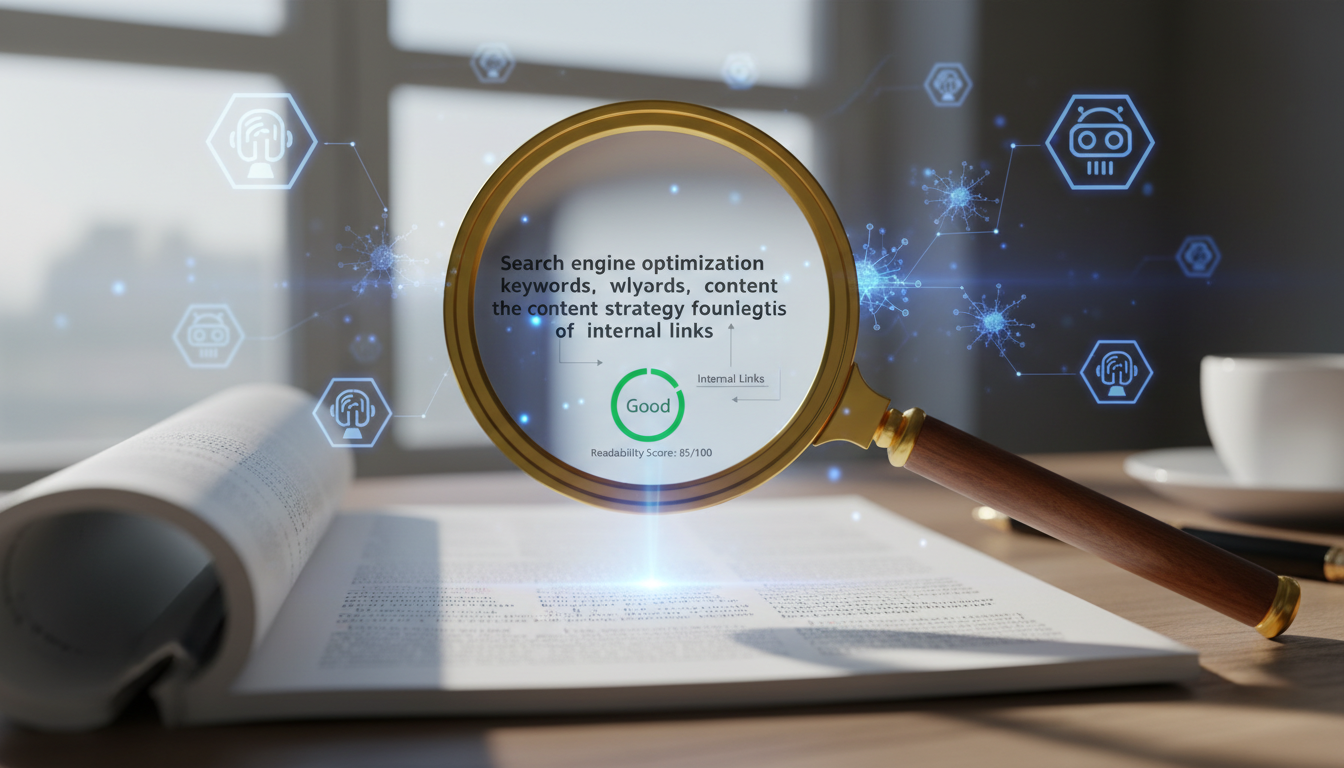
4. Personalization & Localization: Tailoring Content to Every User
AI’s power to process user data means incredible content personalization. Imagine adjusting headlines, calls-to-action, or even entire paragraphs dynamically. It’s all based on an individual’s browsing history, demographics, or stage in their buyer’s journey. This tailored content vastly improves engagement and conversion rates. Plus, AI can adapt content for different languages and cultural nuances, making global reach surprisingly easy.
5. Distribution & Promotion: Reaching the Right Audience
AI tools analyze which platforms and times are best for distributing your content. This maximizes reach and engagement. They can even generate variations of promotional copy for different social media channels or email segments. Your message resonates everywhere. This is a powerful part of Streamlining Campaigns: The Impact of AI Marketing Automation.
Benefits of AI-Driven Content Creation
Why should you embrace AI for your content? The benefits are clear. And they’re impactful, driving major improvements across your whole marketing operation.
Accelerated Production & Scalability
Produce more content, faster. AI helps you significantly increase your content output without losing quality. This means you can keep a consistent online presence, test more ideas, and quickly react to market trends. It’s a huge step forward for **content automation best practices with AI**.
Enhanced Quality & Consistency
AI content generators learn your brand’s voice, style, and guidelines. This ensures a consistent message across all your materials. It builds a stronger brand identity. It also guarantees a baseline of quality, freeing human editors to focus on higher-level strategic review and creative refinement.
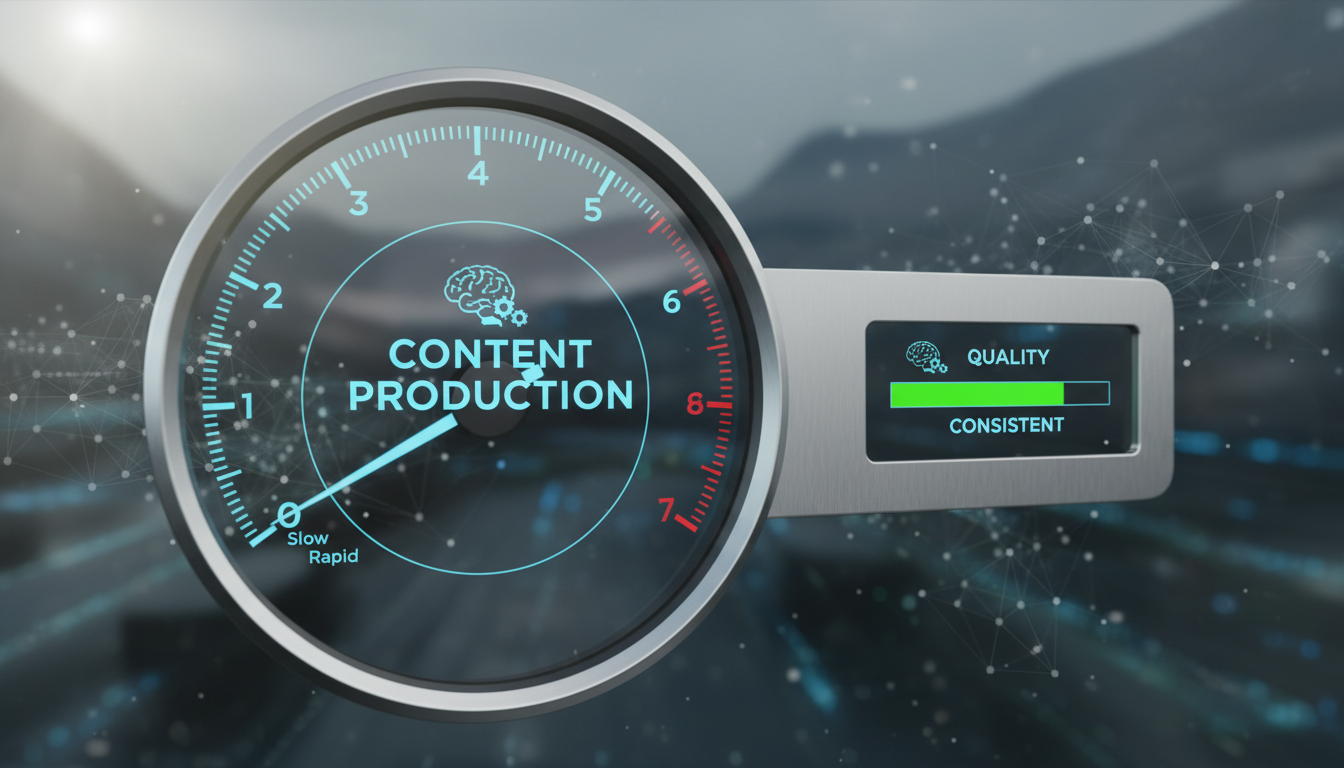
Superior Personalization & Engagement
By analyzing audience data, AI crafts content that truly connects with individual users. This hyper-personalization leads to higher engagement rates. It builds deeper customer relationships. Ultimately, it means better conversion outcomes. It’s a key part of Boosting Engagement with Conversational AI: A New Approach to Customer Interaction.
Cost Efficiency & Resource Optimization
Cutting the time spent on manual content creation directly translates to cost savings. AI lets your team achieve more with existing resources. It redirects human talent toward strategic planning, creative oversight, and nuanced storytelling.
Top AI Content Generation Platforms & Software Comparison
The market for **AI content generation platforms** is booming. It offers a variety of tools to fit different needs and budgets. Knowing each tool’s strengths helps you pick the right solution for your business. Here’s a look at popular options and what they offer:
- Jasper AI: Great for long-form content, robust templates, and versatility across marketing copy, blog posts, and even books. Excellent for teams needing a wide range of content types.
- Surfer SEO: Not just a generator, Surfer integrates with AI writing tools. It offers deep **AI content optimization for search engines** based on competitor analysis and semantic SEO. It’s vital for creating rank-worthy content.
- Copy.ai: Strong for short-form marketing copy like social media captions, ad variations, and product descriptions. It offers speed and many copy templates.
- Writesonic: A comprehensive platform. It handles articles, landing pages, ads, and product descriptions. It even features an AI article writer that can generate full blog posts from a simple prompt.
- ChatGPT/GPT-4 (OpenAI): A foundational model. You can use it directly for brainstorming, drafting, summarization, and idea generation. Its API allows for custom integrations and applications.
- Midjourney/DALL-E 3: Primarily for visuals. But these platforms are critical for generating compelling images and infographics to go with your text-based AI content. This ensures a truly **AI-Driven Content Creation** experience.
Choosing the right tool depends on your specific needs, budget, and the types of content you want to create. Many platforms offer free trials. This lets you experience their capabilities firsthand before you commit. For a broader view of essential tools, check out Top AI Tools: The Definitive Guide for Business & Productivity.
Developing an AI-Powered Content Strategy
Integrating AI isn’t just about using tools. It’s about building a smarter, more efficient **Generative AI for marketing content strategy**. How do you make sure your AI efforts contribute to your overall business goals and build lasting authority?
Building Topical Authority with AI-Driven Content
To rank #1, you need to be an undisputed expert in your niche. **How to build topical authority with AI-driven content?** AI tools really shine here:
Ethical Considerations of AI Content Creation
AI offers immense power, but it also comes with responsibilities. Addressing the **ethical considerations of AI content creation** is vital for maintaining trust and authenticity.
Mitigating Algorithmic Biases
AI learns from data. If that data reflects existing human biases, guess what? The AI’s output will, too. This can lead to biased or stereotypical content. To avoid this, you must:
- Use Diverse Datasets: Advocate for and use AI models trained on broad, inclusive datasets.
- Implement Human Review: Always have human editors fact-check and review AI content for fairness and accuracy.
- Regularly Audit AI Output: Continuously monitor your AI’s generated content for any signs of bias. Adjust your prompts or models accordingly.
Transparency and Authenticity
Should you disclose when content is AI-generated? Many experts argue for transparency. Being upfront builds trust with your audience. While it’s not legally required in many cases yet, consider:
- Clear Labeling: Disclose when AI has played a significant role in content creation, maybe with a subtle disclaimer.
- Maintain Brand Voice: Ensure AI-generated content still reflects your authentic brand voice and values. Don’t let it sound generic.
- Address Copyright: Be aware of the evolving discussions around copyright for AI-generated works. Make sure your usage complies with platform terms.
Impact of AI on Content Quality & Authenticity
A common worry is whether AI will water down content quality or erode authenticity. The truth is, the **impact of AI on content quality and authenticity** depends entirely on *how* you use it. It’s all in your hands.
- Potential for Generic Content: Used without human oversight, AI *can* produce bland, unoriginal content. Your job is to inject personality, unique perspectives, and compelling storytelling.
- Boosting Quality by Freeing Humans: When AI handles the repetitive, lower-value tasks, your expert human team can spend more time. More time for deep research, strategic planning, creative brainstorming, and adding nuanced, authentic insights. That truly elevates the content.
- Data-Backed Authenticity: AI helps ensure authenticity by flagging factual inaccuracies or inconsistencies. It also helps you understand what truly resonates with your audience. This leads to content that feels more authentic because it’s genuinely helpful and relevant.
The Future of AI in Content Creation
What’s next for **AI-Driven Content Creation**? Expect even more sophisticated capabilities. The lines between human-made and AI-assisted content will blur even further. It’s an exciting time!
- Hyper-Personalization at Scale: AI will create unique content experiences for individuals in real-time. It’ll adapt not just topics, but tone and style to personal preferences.
- Multimodal Content Generation: AI won’t just write text. It will generate entire campaigns—video scripts, audio narration, interactive elements—all from a single prompt.
- Proactive Content Strategy: AI will anticipate market shifts. It’ll predict audience needs. It will proactively suggest content strategies even before trends fully emerge.
- Seamless Integration: AI content tools will become deeply embedded in existing marketing stacks. They’ll provide intelligent assistance across every platform and touchpoint.
Conclusion
**AI-Driven Content Creation** isn’t a luxury. It’s a strategic must-have for any business aiming for digital dominance. By integrating **AI content generation platforms** and smart **content automation best practices with AI**, you can achieve unparalleled efficiency. You’ll enhance content quality. And you’ll build powerful topical authority.
Embrace this revolution not as a replacement for human creativity, but as its most powerful amplifier. Let AI handle the routine. Your team can then focus on those unique insights, emotional resonance, and strategic direction that truly define your brand. The future of content is intelligent, personalized, and, with your guidance, incredibly impactful. Are you ready to lead the charge?
Frequently Asked Questions (FAQ)
What is AI-driven content creation?
**AI-driven content creation** means using artificial intelligence technologies. Things like machine learning and Natural Language Generation (NLG). They help or automate the various stages of generating content. This includes ideation, outlining, drafting, optimizing, and even distributing text, images, or other media.
How can AI be used for content creation?
AI can be used in so many ways for content creation! It generates topic ideas and detailed outlines. It drafts initial article or blog post versions. It creates marketing copy – ads, social media posts, product descriptions. AI performs SEO optimization, giving keyword suggestions and readability checks. It personalizes content for specific audiences. It even translates content for global reach. Basically, it streamlines repetitive tasks. This frees human creators to focus on strategy and refinement.
What are the benefits of AI in content creation?
The benefits are huge! You get accelerated content production, allowing for greater volume and consistency. There’s enhanced content quality and better adherence to your brand voice. Superior personalization capabilities lead to higher engagement. And there’s significant cost efficiency through reduced manual effort. AI also boosts creative potential. It offers new perspectives and frees up human talent for higher-level strategic work.
What are some examples of AI content creation tools?
Popular AI content creation tools include Jasper AI, Copy.ai, and Writesonic for text generation. Surfer SEO is fantastic for content optimization. Foundational models like OpenAI’s ChatGPT/GPT-4 are also widely used for various content tasks. For visual content, tools like Midjourney and DALL-E 3 are leading the way. Each offers unique features for different content needs.
How can startups and creators use AI in their content strategy?
Startups can use AI to quickly generate diverse marketing materials. They can test various messaging angles. And they can rapidly establish an SEO presence, even with limited resources. Creators can use AI to overcome writer’s block. Brainstorm endless ideas. Automate social media captions. Summarize research. It streamlines administrative tasks. This gives them more time to focus on their core creative output and audience engagement.
Source Links
- https://aicontentfy.com/en/blog/unlocking-potential-of-ai-content-creation-how-it-changes-game
- https://www.toolify.ai/ai-news/unlocking-ais-potential-in-marketing-and-content-creation-391447
- https://www.techfunaim.com/information-technology/unleashing-the-creative-potential-of-generative-ai/
- Brainstorm Video Scripts & Blog Post Ideas: Get endless ideas for your next piece of content.
- Generate Social Media Hooks & Captions: Craft engaging posts that drive traffic to your main content.
- Summarize Research & Transcribe Audio: Speed up the background work. This gives you more time for creative execution.
Ethical Considerations of AI Content Creation
AI offers immense power, but it also comes with responsibilities. Addressing the **ethical considerations of AI content creation** is vital for maintaining trust and authenticity.
Mitigating Algorithmic Biases
AI learns from data. If that data reflects existing human biases, guess what? The AI’s output will, too. This can lead to biased or stereotypical content. To avoid this, you must:
- Use Diverse Datasets: Advocate for and use AI models trained on broad, inclusive datasets.
- Implement Human Review: Always have human editors fact-check and review AI content for fairness and accuracy.
- Regularly Audit AI Output: Continuously monitor your AI’s generated content for any signs of bias. Adjust your prompts or models accordingly.
Transparency and Authenticity
Should you disclose when content is AI-generated? Many experts argue for transparency. Being upfront builds trust with your audience. While it’s not legally required in many cases yet, consider:
- Clear Labeling: Disclose when AI has played a significant role in content creation, maybe with a subtle disclaimer.
- Maintain Brand Voice: Ensure AI-generated content still reflects your authentic brand voice and values. Don’t let it sound generic.
- Address Copyright: Be aware of the evolving discussions around copyright for AI-generated works. Make sure your usage complies with platform terms.
Impact of AI on Content Quality & Authenticity
A common worry is whether AI will water down content quality or erode authenticity. The truth is, the **impact of AI on content quality and authenticity** depends entirely on *how* you use it. It’s all in your hands.
- Potential for Generic Content: Used without human oversight, AI *can* produce bland, unoriginal content. Your job is to inject personality, unique perspectives, and compelling storytelling.
- Boosting Quality by Freeing Humans: When AI handles the repetitive, lower-value tasks, your expert human team can spend more time. More time for deep research, strategic planning, creative brainstorming, and adding nuanced, authentic insights. That truly elevates the content.
- Data-Backed Authenticity: AI helps ensure authenticity by flagging factual inaccuracies or inconsistencies. It also helps you understand what truly resonates with your audience. This leads to content that feels more authentic because it’s genuinely helpful and relevant.
The Future of AI in Content Creation
What’s next for **AI-Driven Content Creation**? Expect even more sophisticated capabilities. The lines between human-made and AI-assisted content will blur even further. It’s an exciting time!
- Hyper-Personalization at Scale: AI will create unique content experiences for individuals in real-time. It’ll adapt not just topics, but tone and style to personal preferences.
- Multimodal Content Generation: AI won’t just write text. It will generate entire campaigns—video scripts, audio narration, interactive elements—all from a single prompt.
- Proactive Content Strategy: AI will anticipate market shifts. It’ll predict audience needs. It will proactively suggest content strategies even before trends fully emerge.
- Seamless Integration: AI content tools will become deeply embedded in existing marketing stacks. They’ll provide intelligent assistance across every platform and touchpoint.
Conclusion
**AI-Driven Content Creation** isn’t a luxury. It’s a strategic must-have for any business aiming for digital dominance. By integrating **AI content generation platforms** and smart **content automation best practices with AI**, you can achieve unparalleled efficiency. You’ll enhance content quality. And you’ll build powerful topical authority.
Embrace this revolution not as a replacement for human creativity, but as its most powerful amplifier. Let AI handle the routine. Your team can then focus on those unique insights, emotional resonance, and strategic direction that truly define your brand. The future of content is intelligent, personalized, and, with your guidance, incredibly impactful. Are you ready to lead the charge?
Frequently Asked Questions (FAQ)
What is AI-driven content creation?
**AI-driven content creation** means using artificial intelligence technologies. Things like machine learning and Natural Language Generation (NLG). They help or automate the various stages of generating content. This includes ideation, outlining, drafting, optimizing, and even distributing text, images, or other media.
How can AI be used for content creation?
AI can be used in so many ways for content creation! It generates topic ideas and detailed outlines. It drafts initial article or blog post versions. It creates marketing copy – ads, social media posts, product descriptions. AI performs SEO optimization, giving keyword suggestions and readability checks. It personalizes content for specific audiences. It even translates content for global reach. Basically, it streamlines repetitive tasks. This frees human creators to focus on strategy and refinement.
What are the benefits of AI in content creation?
The benefits are huge! You get accelerated content production, allowing for greater volume and consistency. There’s enhanced content quality and better adherence to your brand voice. Superior personalization capabilities lead to higher engagement. And there’s significant cost efficiency through reduced manual effort. AI also boosts creative potential. It offers new perspectives and frees up human talent for higher-level strategic work.
What are some examples of AI content creation tools?
Popular AI content creation tools include Jasper AI, Copy.ai, and Writesonic for text generation. Surfer SEO is fantastic for content optimization. Foundational models like OpenAI’s ChatGPT/GPT-4 are also widely used for various content tasks. For visual content, tools like Midjourney and DALL-E 3 are leading the way. Each offers unique features for different content needs.
How can startups and creators use AI in their content strategy?
Startups can use AI to quickly generate diverse marketing materials. They can test various messaging angles. And they can rapidly establish an SEO presence, even with limited resources. Creators can use AI to overcome writer’s block. Brainstorm endless ideas. Automate social media captions. Summarize research. It streamlines administrative tasks. This gives them more time to focus on their core creative output and audience engagement.
Source Links
- https://aicontentfy.com/en/blog/unlocking-potential-of-ai-content-creation-how-it-changes-game
- https://www.toolify.ai/ai-news/unlocking-ais-potential-in-marketing-and-content-creation-391447
- https://www.techfunaim.com/information-technology/unleashing-the-creative-potential-of-generative-ai/
Content Automation Best Practices with AI
Effective AI integration isn’t just about speed; it’s about smart automation. Follow these best practices:
- Define Clear Goals: What do you want AI to accomplish? More blog posts? Better SEO? Personalized emails? Clarity ensures effective deployment.
- Human Oversight is Non-Negotiable: AI is a tool, not a replacement. Always have human editors review, refine, and add unique insights to AI-generated content.
- Train Your AI: Many platforms let you feed your brand’s style guides, tone preferences, and existing high-performing content into the AI. This improves its output.
- Focus on High-Value Tasks: Automate repetitive, data-intensive tasks. Think initial drafts, meta descriptions, content repurposing. This frees your team for strategic and creative work.
- Measure and Adapt: Track how your AI-generated content performs. Use that data to refine your prompts, tools, and overall strategy.
Specific Use Cases: AI for Different Content Needs
Who benefits most from **AI-Driven Content Creation**? Everyone! From marketing agencies to individual creators. Let’s look at a couple of key examples.
AI for Startups: Accelerate Growth with Limited Resources
Startups often run with lean teams and tight budgets. AI becomes a force multiplier. You can:
- Rapidly Generate Marketing Materials: Create website copy, ad creative, email sequences, and initial blog posts without needing a huge content team.
- Test Marketing Angles Faster: Quickly produce variations of headlines and value propositions. See what truly resonates with your target audience.
- Establish Early SEO Presence: Use AI to target long-tail keywords. Create optimized content that helps you rank for specific queries, even with a brand-new domain.
AI for Creators: Boosting Productivity and Creativity
Individual creators—from bloggers to YouTubers—can use AI to bust through creative blocks and manage demanding content schedules:
- Brainstorm Video Scripts & Blog Post Ideas: Get endless ideas for your next piece of content.
- Generate Social Media Hooks & Captions: Craft engaging posts that drive traffic to your main content.
- Summarize Research & Transcribe Audio: Speed up the background work. This gives you more time for creative execution.
Ethical Considerations of AI Content Creation
AI offers immense power, but it also comes with responsibilities. Addressing the **ethical considerations of AI content creation** is vital for maintaining trust and authenticity.
Mitigating Algorithmic Biases
AI learns from data. If that data reflects existing human biases, guess what? The AI’s output will, too. This can lead to biased or stereotypical content. To avoid this, you must:
- Use Diverse Datasets: Advocate for and use AI models trained on broad, inclusive datasets.
- Implement Human Review: Always have human editors fact-check and review AI content for fairness and accuracy.
- Regularly Audit AI Output: Continuously monitor your AI’s generated content for any signs of bias. Adjust your prompts or models accordingly.
Transparency and Authenticity
Should you disclose when content is AI-generated? Many experts argue for transparency. Being upfront builds trust with your audience. While it’s not legally required in many cases yet, consider:
- Clear Labeling: Disclose when AI has played a significant role in content creation, maybe with a subtle disclaimer.
- Maintain Brand Voice: Ensure AI-generated content still reflects your authentic brand voice and values. Don’t let it sound generic.
- Address Copyright: Be aware of the evolving discussions around copyright for AI-generated works. Make sure your usage complies with platform terms.
Impact of AI on Content Quality & Authenticity
A common worry is whether AI will water down content quality or erode authenticity. The truth is, the **impact of AI on content quality and authenticity** depends entirely on *how* you use it. It’s all in your hands.
- Potential for Generic Content: Used without human oversight, AI *can* produce bland, unoriginal content. Your job is to inject personality, unique perspectives, and compelling storytelling.
- Boosting Quality by Freeing Humans: When AI handles the repetitive, lower-value tasks, your expert human team can spend more time. More time for deep research, strategic planning, creative brainstorming, and adding nuanced, authentic insights. That truly elevates the content.
- Data-Backed Authenticity: AI helps ensure authenticity by flagging factual inaccuracies or inconsistencies. It also helps you understand what truly resonates with your audience. This leads to content that feels more authentic because it’s genuinely helpful and relevant.
The Future of AI in Content Creation
What’s next for **AI-Driven Content Creation**? Expect even more sophisticated capabilities. The lines between human-made and AI-assisted content will blur even further. It’s an exciting time!
- Hyper-Personalization at Scale: AI will create unique content experiences for individuals in real-time. It’ll adapt not just topics, but tone and style to personal preferences.
- Multimodal Content Generation: AI won’t just write text. It will generate entire campaigns—video scripts, audio narration, interactive elements—all from a single prompt.
- Proactive Content Strategy: AI will anticipate market shifts. It’ll predict audience needs. It will proactively suggest content strategies even before trends fully emerge.
- Seamless Integration: AI content tools will become deeply embedded in existing marketing stacks. They’ll provide intelligent assistance across every platform and touchpoint.
Conclusion
**AI-Driven Content Creation** isn’t a luxury. It’s a strategic must-have for any business aiming for digital dominance. By integrating **AI content generation platforms** and smart **content automation best practices with AI**, you can achieve unparalleled efficiency. You’ll enhance content quality. And you’ll build powerful topical authority.
Embrace this revolution not as a replacement for human creativity, but as its most powerful amplifier. Let AI handle the routine. Your team can then focus on those unique insights, emotional resonance, and strategic direction that truly define your brand. The future of content is intelligent, personalized, and, with your guidance, incredibly impactful. Are you ready to lead the charge?
Frequently Asked Questions (FAQ)
What is AI-driven content creation?
**AI-driven content creation** means using artificial intelligence technologies. Things like machine learning and Natural Language Generation (NLG). They help or automate the various stages of generating content. This includes ideation, outlining, drafting, optimizing, and even distributing text, images, or other media.
How can AI be used for content creation?
AI can be used in so many ways for content creation! It generates topic ideas and detailed outlines. It drafts initial article or blog post versions. It creates marketing copy – ads, social media posts, product descriptions. AI performs SEO optimization, giving keyword suggestions and readability checks. It personalizes content for specific audiences. It even translates content for global reach. Basically, it streamlines repetitive tasks. This frees human creators to focus on strategy and refinement.
What are the benefits of AI in content creation?
The benefits are huge! You get accelerated content production, allowing for greater volume and consistency. There’s enhanced content quality and better adherence to your brand voice. Superior personalization capabilities lead to higher engagement. And there’s significant cost efficiency through reduced manual effort. AI also boosts creative potential. It offers new perspectives and frees up human talent for higher-level strategic work.
What are some examples of AI content creation tools?
Popular AI content creation tools include Jasper AI, Copy.ai, and Writesonic for text generation. Surfer SEO is fantastic for content optimization. Foundational models like OpenAI’s ChatGPT/GPT-4 are also widely used for various content tasks. For visual content, tools like Midjourney and DALL-E 3 are leading the way. Each offers unique features for different content needs.
How can startups and creators use AI in their content strategy?
Startups can use AI to quickly generate diverse marketing materials. They can test various messaging angles. And they can rapidly establish an SEO presence, even with limited resources. Creators can use AI to overcome writer’s block. Brainstorm endless ideas. Automate social media captions. Summarize research. It streamlines administrative tasks. This gives them more time to focus on their core creative output and audience engagement.
Source Links
- https://aicontentfy.com/en/blog/unlocking-potential-of-ai-content-creation-how-it-changes-game
- https://www.toolify.ai/ai-news/unlocking-ais-potential-in-marketing-and-content-creation-391447
- https://www.techfunaim.com/information-technology/unleashing-the-creative-potential-of-generative-ai/
- Comprehensive Content Mapping: AI helps identify all related sub-topics and questions around your core keyword. You can then create a content cluster that covers every angle.
- Deep Content Generation: Use AI to quickly produce high-quality articles for each sub-topic. No stone left unturned! This density of relevant content signals to search engines that you’re a definitive source.
- Internal Linking Optimization: AI suggests smart internal linking structures. Connect your cluster content. Reinforce topical relevance across your site.
- Staying Updated: AI constantly monitors trends. This lets you quickly update existing content or create new pieces that address emerging facets of a topic, keeping your authority fresh.
Content Automation Best Practices with AI
Effective AI integration isn’t just about speed; it’s about smart automation. Follow these best practices:
- Define Clear Goals: What do you want AI to accomplish? More blog posts? Better SEO? Personalized emails? Clarity ensures effective deployment.
- Human Oversight is Non-Negotiable: AI is a tool, not a replacement. Always have human editors review, refine, and add unique insights to AI-generated content.
- Train Your AI: Many platforms let you feed your brand’s style guides, tone preferences, and existing high-performing content into the AI. This improves its output.
- Focus on High-Value Tasks: Automate repetitive, data-intensive tasks. Think initial drafts, meta descriptions, content repurposing. This frees your team for strategic and creative work.
- Measure and Adapt: Track how your AI-generated content performs. Use that data to refine your prompts, tools, and overall strategy.
Specific Use Cases: AI for Different Content Needs
Who benefits most from **AI-Driven Content Creation**? Everyone! From marketing agencies to individual creators. Let’s look at a couple of key examples.
AI for Startups: Accelerate Growth with Limited Resources
Startups often run with lean teams and tight budgets. AI becomes a force multiplier. You can:
- Rapidly Generate Marketing Materials: Create website copy, ad creative, email sequences, and initial blog posts without needing a huge content team.
- Test Marketing Angles Faster: Quickly produce variations of headlines and value propositions. See what truly resonates with your target audience.
- Establish Early SEO Presence: Use AI to target long-tail keywords. Create optimized content that helps you rank for specific queries, even with a brand-new domain.
AI for Creators: Boosting Productivity and Creativity
Individual creators—from bloggers to YouTubers—can use AI to bust through creative blocks and manage demanding content schedules:
- Brainstorm Video Scripts & Blog Post Ideas: Get endless ideas for your next piece of content.
- Generate Social Media Hooks & Captions: Craft engaging posts that drive traffic to your main content.
- Summarize Research & Transcribe Audio: Speed up the background work. This gives you more time for creative execution.
Ethical Considerations of AI Content Creation
AI offers immense power, but it also comes with responsibilities. Addressing the **ethical considerations of AI content creation** is vital for maintaining trust and authenticity.
Mitigating Algorithmic Biases
AI learns from data. If that data reflects existing human biases, guess what? The AI’s output will, too. This can lead to biased or stereotypical content. To avoid this, you must:
- Use Diverse Datasets: Advocate for and use AI models trained on broad, inclusive datasets.
- Implement Human Review: Always have human editors fact-check and review AI content for fairness and accuracy.
- Regularly Audit AI Output: Continuously monitor your AI’s generated content for any signs of bias. Adjust your prompts or models accordingly.
Transparency and Authenticity
Should you disclose when content is AI-generated? Many experts argue for transparency. Being upfront builds trust with your audience. While it’s not legally required in many cases yet, consider:
- Clear Labeling: Disclose when AI has played a significant role in content creation, maybe with a subtle disclaimer.
- Maintain Brand Voice: Ensure AI-generated content still reflects your authentic brand voice and values. Don’t let it sound generic.
- Address Copyright: Be aware of the evolving discussions around copyright for AI-generated works. Make sure your usage complies with platform terms.
Impact of AI on Content Quality & Authenticity
A common worry is whether AI will water down content quality or erode authenticity. The truth is, the **impact of AI on content quality and authenticity** depends entirely on *how* you use it. It’s all in your hands.
- Potential for Generic Content: Used without human oversight, AI *can* produce bland, unoriginal content. Your job is to inject personality, unique perspectives, and compelling storytelling.
- Boosting Quality by Freeing Humans: When AI handles the repetitive, lower-value tasks, your expert human team can spend more time. More time for deep research, strategic planning, creative brainstorming, and adding nuanced, authentic insights. That truly elevates the content.
- Data-Backed Authenticity: AI helps ensure authenticity by flagging factual inaccuracies or inconsistencies. It also helps you understand what truly resonates with your audience. This leads to content that feels more authentic because it’s genuinely helpful and relevant.
The Future of AI in Content Creation
What’s next for **AI-Driven Content Creation**? Expect even more sophisticated capabilities. The lines between human-made and AI-assisted content will blur even further. It’s an exciting time!
- Hyper-Personalization at Scale: AI will create unique content experiences for individuals in real-time. It’ll adapt not just topics, but tone and style to personal preferences.
- Multimodal Content Generation: AI won’t just write text. It will generate entire campaigns—video scripts, audio narration, interactive elements—all from a single prompt.
- Proactive Content Strategy: AI will anticipate market shifts. It’ll predict audience needs. It will proactively suggest content strategies even before trends fully emerge.
- Seamless Integration: AI content tools will become deeply embedded in existing marketing stacks. They’ll provide intelligent assistance across every platform and touchpoint.
Conclusion
**AI-Driven Content Creation** isn’t a luxury. It’s a strategic must-have for any business aiming for digital dominance. By integrating **AI content generation platforms** and smart **content automation best practices with AI**, you can achieve unparalleled efficiency. You’ll enhance content quality. And you’ll build powerful topical authority.
Embrace this revolution not as a replacement for human creativity, but as its most powerful amplifier. Let AI handle the routine. Your team can then focus on those unique insights, emotional resonance, and strategic direction that truly define your brand. The future of content is intelligent, personalized, and, with your guidance, incredibly impactful. Are you ready to lead the charge?
Frequently Asked Questions (FAQ)
What is AI-driven content creation?
**AI-driven content creation** means using artificial intelligence technologies. Things like machine learning and Natural Language Generation (NLG). They help or automate the various stages of generating content. This includes ideation, outlining, drafting, optimizing, and even distributing text, images, or other media.
How can AI be used for content creation?
AI can be used in so many ways for content creation! It generates topic ideas and detailed outlines. It drafts initial article or blog post versions. It creates marketing copy – ads, social media posts, product descriptions. AI performs SEO optimization, giving keyword suggestions and readability checks. It personalizes content for specific audiences. It even translates content for global reach. Basically, it streamlines repetitive tasks. This frees human creators to focus on strategy and refinement.
What are the benefits of AI in content creation?
The benefits are huge! You get accelerated content production, allowing for greater volume and consistency. There’s enhanced content quality and better adherence to your brand voice. Superior personalization capabilities lead to higher engagement. And there’s significant cost efficiency through reduced manual effort. AI also boosts creative potential. It offers new perspectives and frees up human talent for higher-level strategic work.
What are some examples of AI content creation tools?
Popular AI content creation tools include Jasper AI, Copy.ai, and Writesonic for text generation. Surfer SEO is fantastic for content optimization. Foundational models like OpenAI’s ChatGPT/GPT-4 are also widely used for various content tasks. For visual content, tools like Midjourney and DALL-E 3 are leading the way. Each offers unique features for different content needs.
How can startups and creators use AI in their content strategy?
Startups can use AI to quickly generate diverse marketing materials. They can test various messaging angles. And they can rapidly establish an SEO presence, even with limited resources. Creators can use AI to overcome writer’s block. Brainstorm endless ideas. Automate social media captions. Summarize research. It streamlines administrative tasks. This gives them more time to focus on their core creative output and audience engagement.